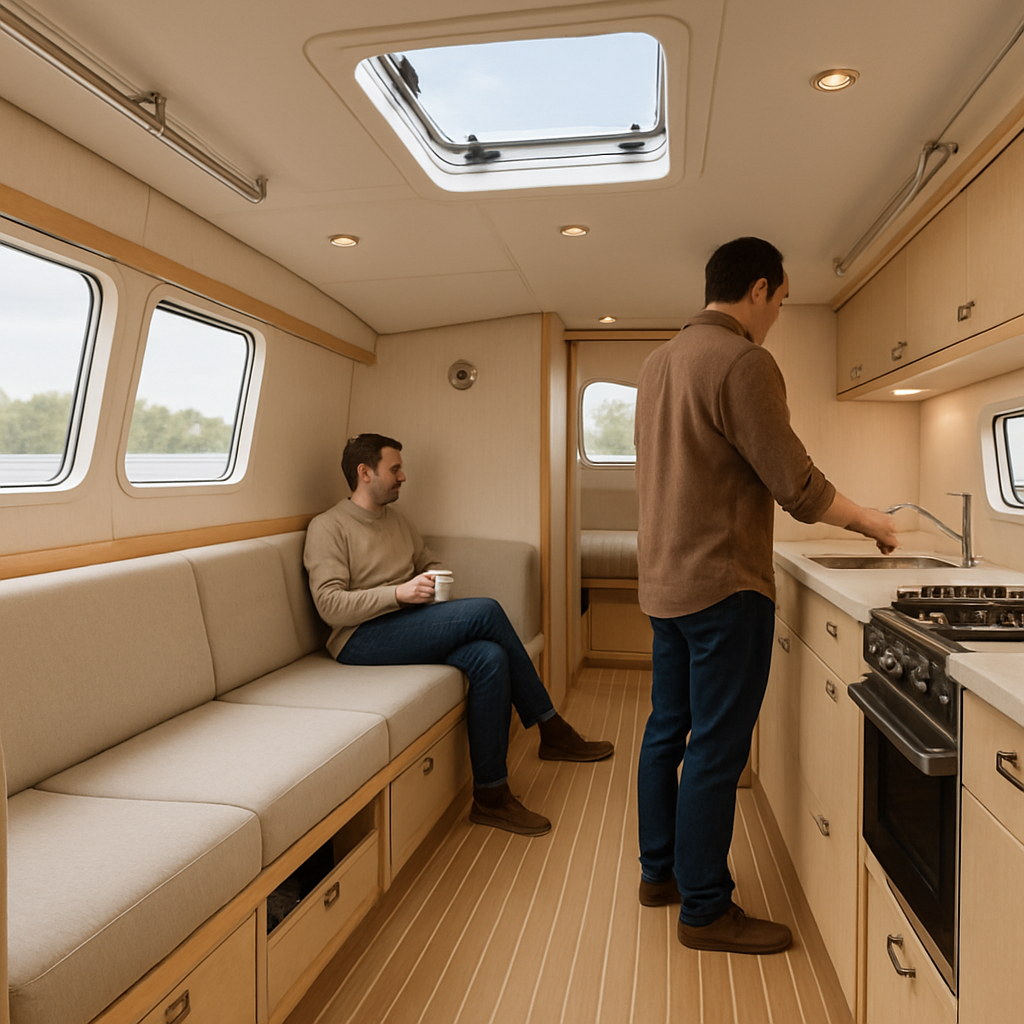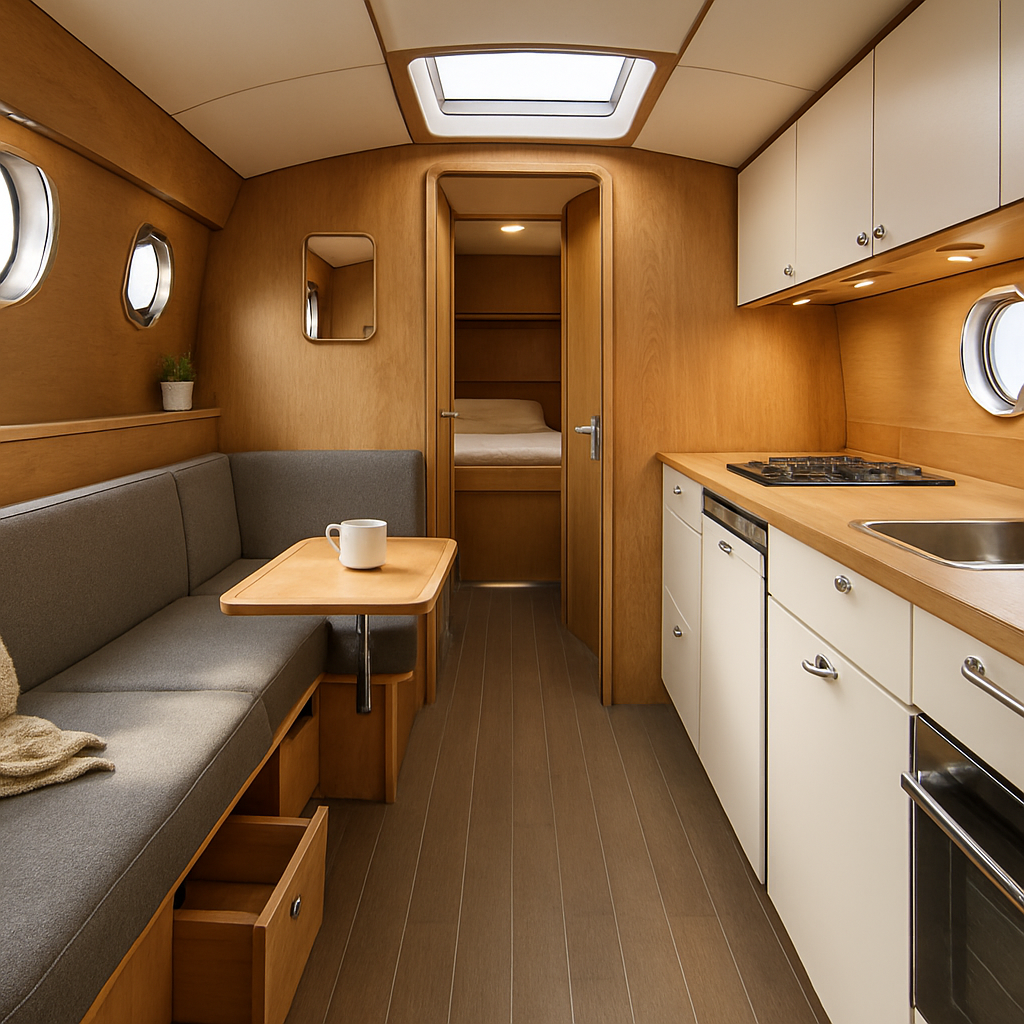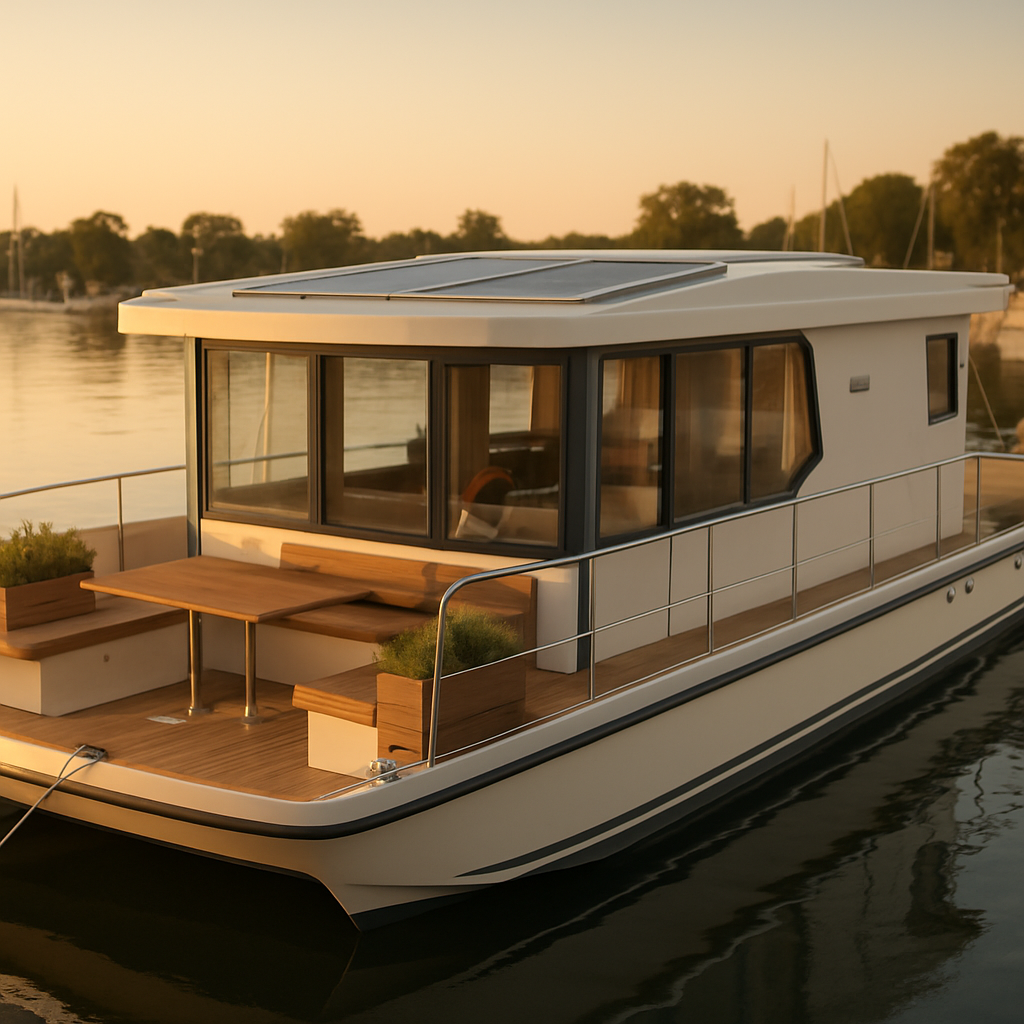
Imagine stepping aboard a floating home that feels spacious, efficient and undeniably yours — not a cramped cabin, but a carefully choreographed living space where every nook has a purpose and every sightline invites the water in. If you’ve been hunting for Houseboat Design Ideas that actually balance style, comfort and practicality, you’re in the right place. This guide walks you through smart interior layouts, exterior aesthetics, sustainable materials, daylight strategies, energy systems and deck design so you can plan a houseboat that looks great and lives even better.
Smart Space Planning for Houseboat Interiors
On a houseboat, less really is more. You can’t add square footage, so you get creative with layout, multifunctional elements and weight-conscious choices. Start by asking what matters most to you: cooking, entertaining, working remotely, sleeping or storage? Prioritize those functions and let them shape the plan.
As you refine layouts, consult focused resources to turn ideas into buildable solutions: Convertible Multiuse Spaces demonstrates how a single zone can switch between dining, sleeping and work; Efficient Interior Layouts dives into circulation and system placement to keep movement smooth and service runs short; and the wider hub at homeboatbuilding.com collects plans, tutorials and material guides you’ll return to repeatedly. If daylight matters to you, check Maximizing Natural Light for glazing strategies, or learn how openness changes perception with Open Plan Living Areas. For outdoor rooftop ideas and how they impact weight and layout, see Roof Deck Spaces, which explores shading, mounting and use scenarios in detail.
Plan by Function and Flow
Think about how you move through the space. Avoid isolating the galley or placing the bathroom in the middle of the main social zone. Ideally, plumbing-heavy spaces stack or sit adjacent to one another to reduce complexity and weight. Put noisy systems — engine room, generators — away from sleeping areas. Align circulation so you can walk in straight, intuitive paths rather than zig-zagging around obstacles.
Multifunctional Furniture and Built-Ins
Furniture on a houseboat should earn its keep. A dining table that folds into the wall, benches that hide storage, or a sofa that converts to a bed are not just space-savers — they’re the backbone of successful houseboat design. Built-ins reduce shifting loads, look tidy, and make the volume feel larger.
- Use lift-up bed platforms to create deep storage wells for winter gear and provisions.
- Choose staircases with drawers and cubbies instead of flimsy ladders — they’re safer and useful.
- Design the galley with sliding or folding counters to create temporary prep space when you need it.
Optimizing Storage
Good storage is invisible until you need it. Design dedicated, labeled spaces for wet gear, tools, fenders, food and emergency equipment. Vertical storage and shallow drawers prevent items from shifting and make small spaces feel uncluttered. Don’t forget the nooks — under bench seats, behind bulkheads and above the wheelhouse are great places to tuck things away.
Lightweight Materials and Practical Finishes
Weight is stability. Keep heavy stuff low and centralized. For cabinetry and furniture, opt for marine plywood, honeycomb cores, or foam-core composites. Finish with marine-grade paints and quick-dry fabrics that tolerate humidity and salt spray. Small choices — stainless fasteners, sealed joinery, and drainage-friendly drawers — pay huge dividends over the life of the boat.
Exterior Aesthetics: Timeless Design Ideas for Living Aboard
Your houseboat’s exterior is its first impression. Timeless design is about proportion, material honesty and restraint. Instead of chasing trends, aim for clean lines, cohesive colors and a silhouette that reads well from the dock and from a distance.
Proportion and Rooflines
Consider the profile from multiple angles. A low continuous roof with a modest overhang gives a modern, streamlined feel. Multiple levels with a pop-top or raised pilothouse add character and extra interior volume but keep an eye on windage and weight aloft. Classic rounded railings and wood trim create a warmer, cottage-like vibe if that’s more your style.
Material Combinations and Color
Mix durable cladding—aluminum, composite panels, or sealed marine plywood—with natural accents like teak. Limit your palette to one primary color, one trim color and a natural wood tone. This simple trio creates a refined appearance that stands the test of time. Lighter hull colors help reduce heat absorption in sunny climates, while darker accents can feel more luxurious.
Integration of Functional Elements
Don’t hide practicality — design it. Railings, vents, ladders and hatches should feel like part of the aesthetic rather than afterthoughts. Match metals and profiles for a cohesive look; conceal mechanical systems behind ventilated panels and place service points for easy access without compromising the visual line.
Sustainable Materials and Lightweight Construction for Efficiency
Sustainability on a houseboat is both an ethical choice and a pragmatic one. Lighter, more durable materials reduce fuel consumption and maintenance, while choosing responsibly sourced materials minimizes environmental impact.
Lightweight Structural Strategies
Use materials that offer a high strength-to-weight ratio. Foam-core composites, honeycomb panels, and structural insulated panels (SIPs) deliver stiffness and insulation without the weight of solid timber or steel. Aluminum framing for superstructures reduces weight and resists corrosion when detailed correctly.
Sustainable and Recycled Materials
Where possible, opt for FSC-certified woods, thermally modified timbers, or recycled-plastic composites for decking and trims. Recycled PET fabrics make durable cushions, and ocean-plastic composites can be a bold choice for low-maintenance cladding. Low-VOC paints and adhesives keep the air inside fresher, especially important in tighter, insulated designs.
Corrosion and Marine Exposure Considerations
Wildly romantic ideas of driftwood and rusty iron look great in photos, but in the real world, corrosion sabotages longevity. Use 316 stainless fasteners, anodized aluminum, and marine-grade sealants. Design joints so parts are replaceable without massive deconstruction — a smart detail here saves you time and money down the road.
Maximizing Natural Light: Layout, Windows, and Visibility
Natural light makes a tiny footprint feel generous. The right combination of glazing, skylights and reflective interiors creates a bright, healthy living space while preserving privacy and thermal comfort.
Window Placement and Types
Vary glazing to match function. Big forward-facing windows frame views and flood the main living area with light. Skylights and coachroof hatches bring top-down daylight into narrow corridors and kitchens. Use smaller portlights in cabins for sleep-friendly light levels and ventilation. Operable windows are essential — fresh air is the simplest comfort.
Glazing Choices and Energy Control
Choose double-glazed or laminated glass where practical for insulation and noise reduction. Low-E coatings reduce solar heat gain and improve comfort in hot climates. In temperate regions, strategic glazing on sunny aspects can help passively warm interiors. Screens, shades and blinds should be light-filtering — privacy doesn’t have to mean closing out daylight.
Interior Surface Strategies
Light-colored walls and satin finishes amplify daylight without creating harassment of glare. Mirrors placed opposite windows expand perceived depth. Gloss on small cabinet faces throws subtle reflections into darker corners. Keep window treatments minimal; layered fabric blinds can soften light while preserving views.
Energy-Efficient Systems: Solar, Batteries, and Heating
A self-sufficient energy system lets you stay off-grid with confidence. Start with a realistic assessment of your daily energy needs, then design solar arrays, battery banks and efficient appliances around that profile.
Solar PV and Mounting Options
Solar is essentially mandatory for modern off-grid houseboats. Calculate your expected daily kWh, consider peak sun hours in your cruising region, and check usable roof area. Use a mix of fixed panels for convenience and portable panels for flexible charging while moored in partial shade.
- Flush-mounted panels keep a clean look and reduce wind resistance.
- Tilting or adjustable racks boost winter output when the sun is lower.
- Portable panels are great for topping up batteries at anchor where fixed panels might be shaded.
Batteries, Inverters and System Architecture
Lithium-ion batteries lead the pack for energy density and usable capacity, though they come at a higher cost. Pairing lithium banks with quality battery monitors and a hybrid inverter/charger gives you flexibility between shore power, generator and solar inputs.
Make redundancy a design principle: keep separate circuits for critical loads like navigation, pumps and bilge systems. Ensure ventilation and thermal management for battery compartments — temperature swings are a major factor in battery lifespan.
Heating, Hot Water and Efficiency
Heating choices vary by climate and usage. Hydronic diesel heaters are compact and efficient for colder regions; small heat pumps offer low-energy heating and cooling where electricity is abundant. Insulate tanks and piping, and use a small, well-insulated hot water tank to minimize standby losses. Consider propane for backup or cooking; it’s efficient but requires safe, ventilated storage.
Appliances and Low-Load Design
Select appliances designed for low energy draw: 12/24V refrigerators, induction cooktops, LED lighting and energy-star rated devices when possible. Smart controllers and timer switches help optimize when heavy loads run — charging batteries during peak sun hours, for example, avoids taxing your system overnight.
DIY Deck Design: Outdoor Living and Multi-Functional Outdoor Spaces
Decks extend your living area and bond you to the water. With smart planning you can have a multi-use outdoor space for dining, gardening, relaxing and gear storage — without compromising safety or adding unnecessary weight.
Layout and Circulation
Plan circulation first. Clear gangways for boarding and emergency access are non-negotiable. Beyond that, carve out zones: a dining nook, a lounging area, and a small utility corner for fuel or dinghy attachments. Use low-profile furniture and fold-away elements to keep pathways open when needed.
Materials, Drainage and Surface Treatment
Deck materials must resist salt, sun and slip. Teak looks gorgeous and performs well underfoot but needs upkeep. Composite decking offers low maintenance and good traction. For pure budget builds, non-skid paint systems are lightweight and functional.
- Ensure positive drainage to scuppers to avoid standing water and surface degradation.
- Install removable deck panels where you might need access to through-deck fittings.
- Use stainless or anodized hardware to extend service life in marine exposure.
Shade, Weather Protection and Flexibility
Retractable awnings, biminis and folding pergolas let you control sun and rain exposure. For windy spots, glass or polycarbonate windbreaks keep the view while providing shelter. Make shading elements removable or stowable — you want to adjust them with the seasons.
Multi-Functional Additions
Decks should work harder than just a place to sit. Integrate fold-away benches, storage lockers, and planter boxes for herbs or small veggies. Add mounts for kayaks or bikes to expand recreation without cluttering the interior. Think layered utility: seating that doubles as a storage locker; planters that act as privacy screens.
Final Considerations and Actionable Next Steps
Designing a houseboat blends creativity with hard math: stability, corrosion, energy budgets and weather exposure. Start with a list of non-negotiables, sketch multiple layouts, and build small mock-ups to test ergonomics. Run a weight and center-of-gravity estimate early — it’s easier to change a cabinet design than the hull’s flotation characteristics.
If you’re serious about building or converting a houseboat, consult a naval architect for flotation and stability checks, and bring in an electrical systems specialist when designing battery and inverter systems. Those two steps prevent the costly surprises that sink projects later on.
Frequently Asked Questions
How much does it cost to build or convert a houseboat?
Costs vary a lot depending on size, hull type, systems and finish level. As a rough guide, a modest DIY conversion might start around $30,000–$60,000 if you reuse a hull and do much of the work yourself. A well-equipped mid-range custom build typically falls in the $100,000–$300,000 range, while high-end, fully bespoke floating homes can exceed $300,000. Labor, marine-grade systems, and compliance work (permits, surveys) are the biggest cost drivers. Plan a contingency of 10–20% for surprises.
Do I need permits, inspections or special registration?
Yes—almost always. Regulations differ by country, state and marina, so check early. You may need vessel registration, a slip or mooring permit, sewage and waste-handling approvals, and electrical and gas compliance certificates. Liveaboard restrictions, tidal or harbor rules, and local zoning can affect where you can keep your boat. Engaging a local surveyor or marina manager early saves headaches and ensures your design meets safety and environmental standards.
Can I live on a houseboat year-round?
Absolutely—many people do it. For year-round comfort you’ll need proper insulation, a reliable heating system, double glazing or thermal glass, and robust bilge and ventilation arrangements. Winter mooring exposes you to icing and storms in some regions, so choose a sheltered berth and winterize systems accordingly. Consider access to services (water, sewer, electricity) and emergency support when selecting a home port.
Which hull type should I pick for a houseboat?
Common choices are displacement hulls, catamarans and barges. Displacement hulls move efficiently through water and are good for cruising; catamarans offer stability and shallow drafts with more deck area; barges and flat-bottom platforms maximize usable interior volume but are less suited for open water. Your intended use—stationary living, coastal cruising, or frequent passages—largely determines the right hull. Consult a naval architect to balance performance and liveability.
How do I manage weight distribution and stability?
Keep heavy items—engines, batteries, water tanks—close to the centerline and low in the hull. Distribute weight fore-and-aft to avoid bow or stern trim problems. Use fixed ballast only when necessary and design storage so loads don’t shift underway. Early stability calculations by a professional are crucial; they’ll advise on limits for topside structures and optional roof decks so you don’t compromise safety for aesthetics.
What materials are best for decks and exterior finishes?
Teak remains a premium choice for looks and feel but needs maintenance. Composite decking offers low upkeep and excellent slip resistance—great for owners who prefer less maintenance. Aluminum and composite panels for superstructures are lightweight and corrosion-resistant; thermally modified or FSC-certified woods are a sustainable middle ground. Prioritize UV resistance and fastening methods designed for marine exposure to extend service life.
How should I size solar panels and batteries for a houseboat?
Start with an energy audit: tally daily kWh for lighting, refrigeration, electronics, heating, and charging. Divide that demand by average peak sun hours in your area to estimate PV capacity, then add a safety margin (20–30%). For batteries, size for your desired autonomy—48–72 hours off-grid is common for liveaboards—and account for depth-of-discharge (lithium vs. lead-acid). Include a good charge controller, inverter/charger and monitoring system for reliability.
How do I deal with condensation and ventilation onboard?
Condensation is one of the most common comfort issues. Reduce it with a combination of insulating cold surfaces, providing balanced ventilation (intake vents, exhaust fans and operable windows), and using dehumidifiers where needed. Avoid drying wet gear inside—dedicated wet lockers with drainage help. Good circulation behind cabinetry and continuous low-level ventilation in sleeping areas make a big difference in long-term mold prevention.
Is a DIY build realistic or should I hire professionals?
DIY is possible, especially for carpentry, interior fit-out, and simple electrical tasks if you have skills. However, hull work, structural changes, propulsion, and main electrical/gas installations usually require certified professionals. A hybrid approach—DIY interiors with professional sign-offs and specialist contractors for critical systems—often gives the best balance of cost savings and compliance.
Should I moor in a marina, on a private mooring, or live-aboard on anchor?
Each option has trade-offs. Marinas offer services (power, water, security) and easier access to community but at higher cost. Private moorings can be cheaper long-term but may lack services and be exposed to weather. Anchoring gives freedom but isn’t suitable for long-term living in many places due to regulations and comfort concerns. Consider access to transport, emergency services, and local rules when deciding—your lifestyle and budget will guide the best choice.
Houseboat Design Ideas are all about making the most of a limited canvas. With smart planning, lightweight construction, daylight strategies, efficient energy systems and a deck designed for real living, your floating home can be cozy, sustainable and endlessly enjoyable. Start small, iterate often, and don’t hesitate to bring specialists into the loop for the structural and electrical questions — it’s the fastest path from concept to a safe, beautiful reality on the water.