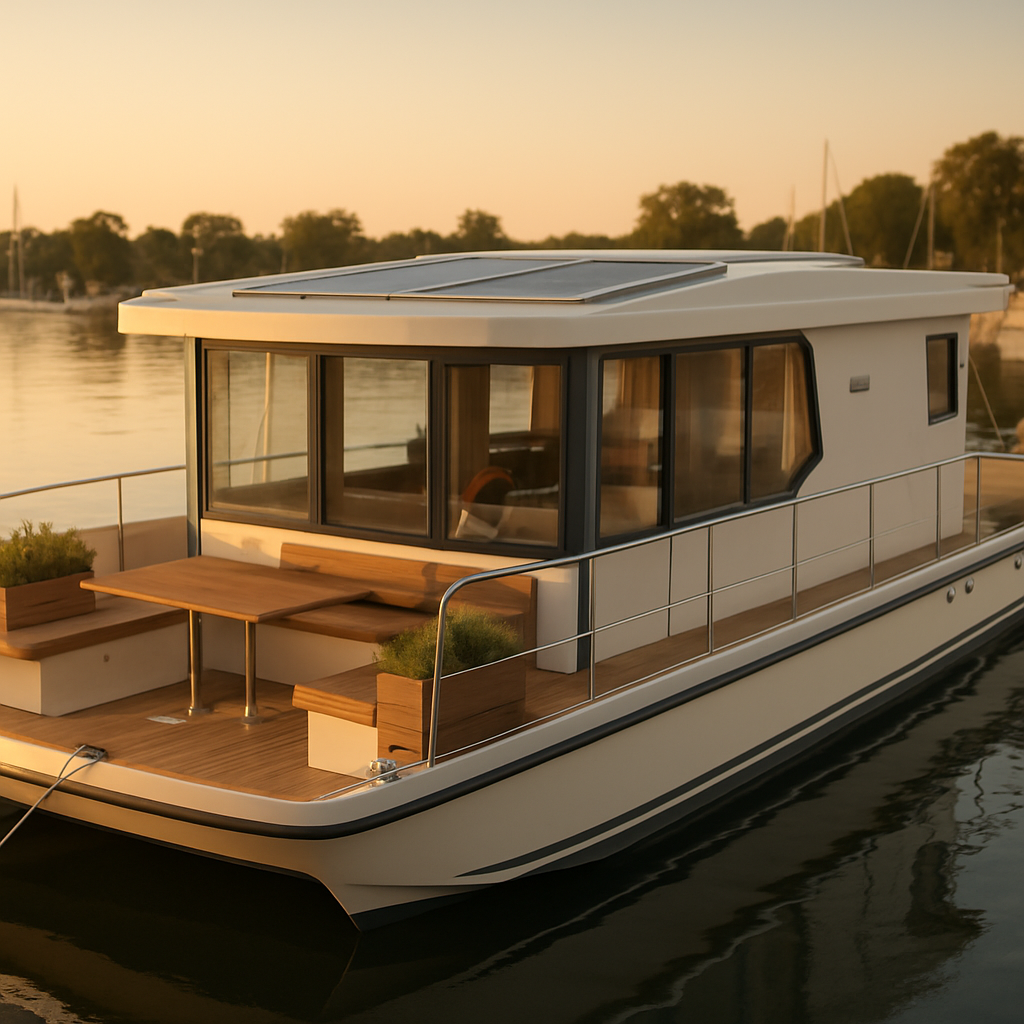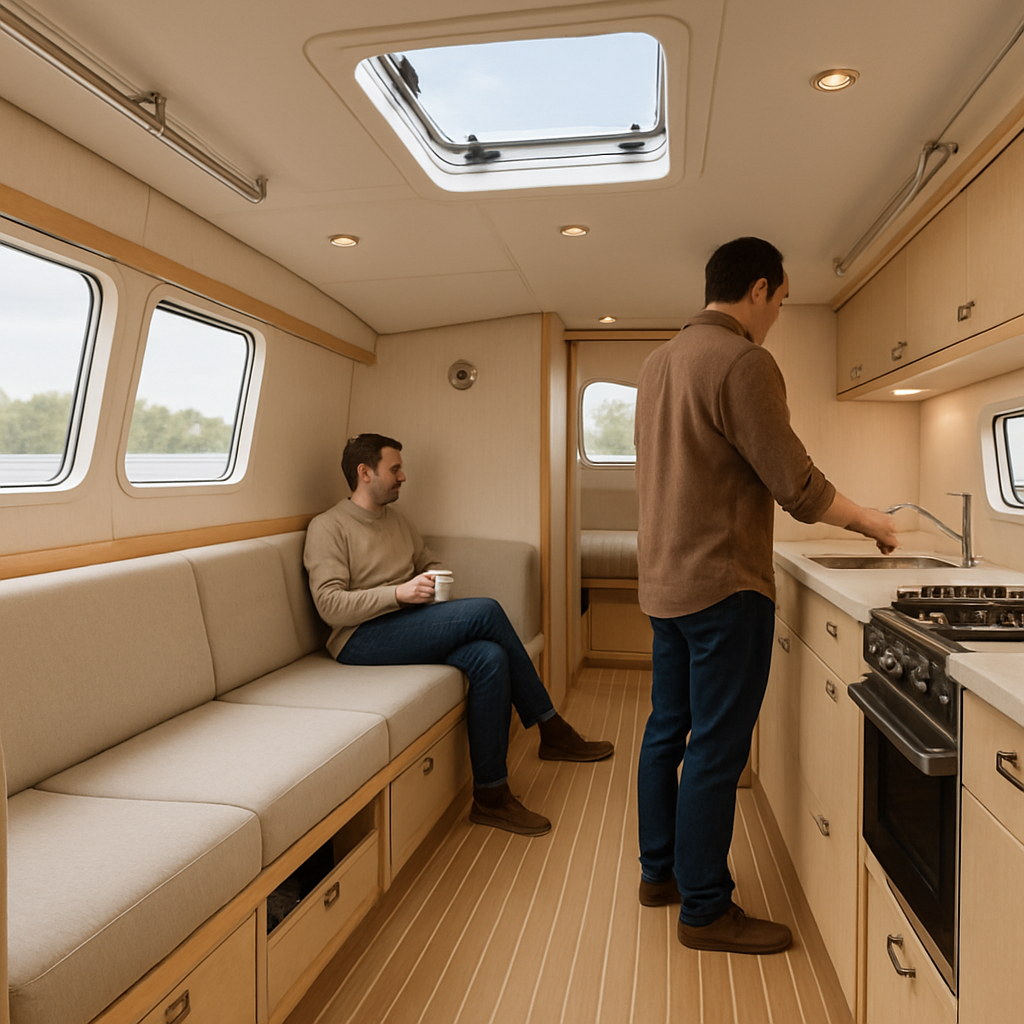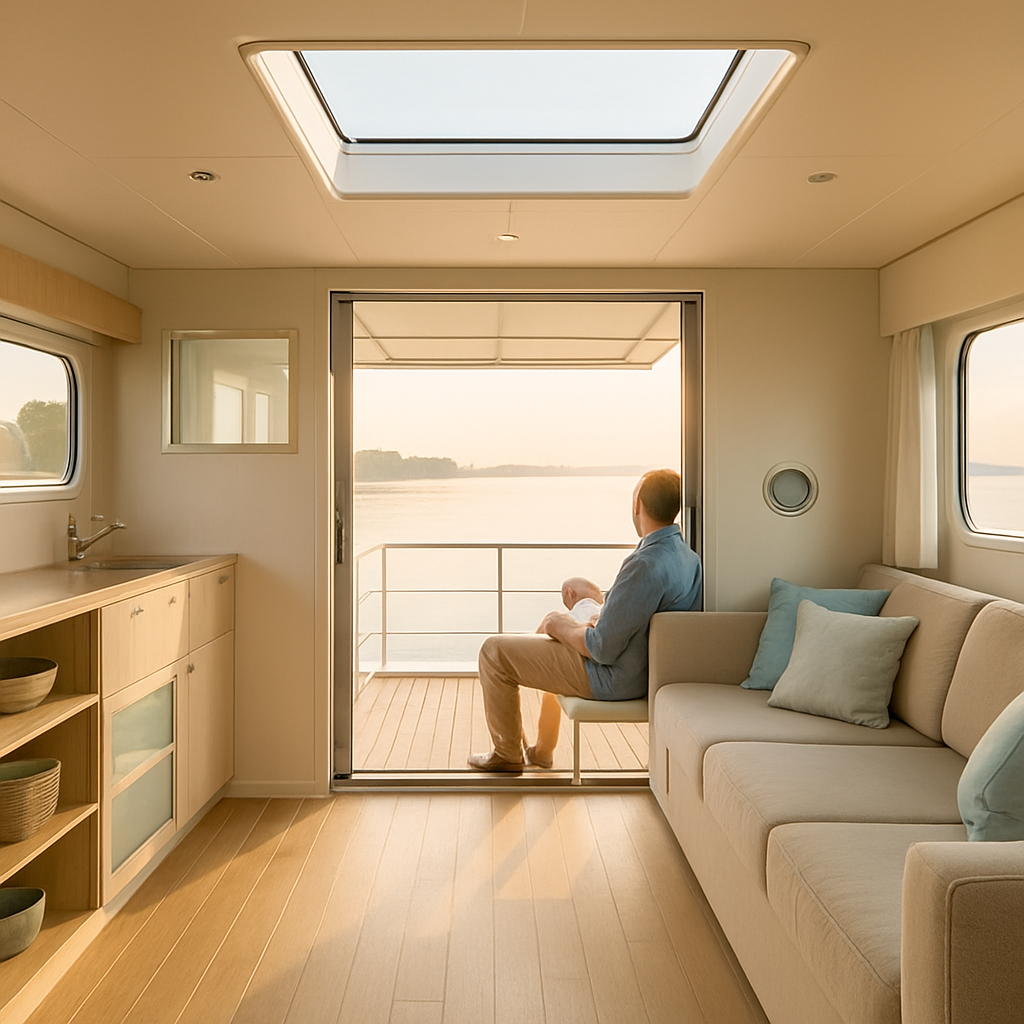
If you dream of bright, airy rooms that feel larger than they are—where the water outside becomes part of the living room and mornings glow without flicking a switch—this guide is for you. Maximizing Natural Light on a houseboat isn’t just about installing more windows; it’s about planning, materials, orientation, and a few clever tricks so daylight works for you, not against you. Read on for practical, sea-tested strategies that will help you bring daylight deeper into your floating home while keeping it comfortable, safe, and a pleasure to live in.
As you begin planning any daylight upgrades, it helps to look at proven approaches: start by studying Efficient Interior Layouts to understand how openings and circulation allow light to travel further into compact spaces. Then widen your research to broader Houseboat Design Ideas for context on materials, structure, and lifestyle choices that affect daylight performance. Finally, focus on how living areas are arranged—examples of Open Plan Living Areas show how sightlines and large openings dramatically improve daylight flow. Following these linked resources can guide your decisions and help avoid costly mistakes during retrofits or new builds.
Designing Open, Light-Filled Decks and Interiors
The easiest way to bring more daylight into a houseboat is to give light somewhere to travel. Open layouts and thoughtful connections between deck and cabin turn small footprints into luminous, welcoming spaces. Let’s look at design choices that help you get the most daylight for the effort.
Open Plan and Sightlines
Do you want light to reach the galley from the hull windows and still find the berth down below? Keep sightlines clear. Open-plan living allows daylight to move freely, reducing the number of shaded pockets.
- Use partial-height bulkheads or glass partitions instead of full solid walls to keep privacy but allow light to flow.
- Place the main living areas—salon, dining, galley—along the sides of the hull where window area is greatest.
- If possible, create a raised salon or higher ceiling volume so you can add clerestory windows or taller glazing.
Deck-to-Interior Connections
Doors and thresholds matter. A tight, sealed bulkhead can cut off the view and the daylight. Make the connection and you’ll be amazed at how much brighter the interior becomes.
- Install large full-height sliding doors or bi-fold doors between cockpit and salon. These bring light in and create an indoor-outdoor living experience.
- Consider retractable railings or removable sections of the deck side to avoid blocking lower windows when you’re moored and want maximum light.
- Create sheltered outdoor rooms (translucent pergolas, thin-roofed awnings) so you keep usable space while letting diffuse light into the cabin.
Interior Layout Tips for Daylight Distribution
Even without adding new windows, small layout changes can spread daylight where you need it most.
- Put service spaces (heads, engine rooms, storage) in the darker interior or stern-facing parts of the boat, leaving the bright sides for living spaces.
- Replace heavy cupboard doors with glazed doors or open shelving to allow light to pass and reduce the “cave” feeling.
- Install narrow glass transoms above doors and corridors to pull daylight into hallways and below-deck cabins.
Skylight and Roof Window Strategies for Houseboats
Skylights are especially powerful on houseboats because they bring sky light directly into the center of the plan. Used correctly, skylights deliver daylight to places hull windows can’t reach—corridors, lower cabins, and central galleys.
Types of Skylights and When to Use Them
Picking the right type is about balancing daylight, weight, ventilation, and watertightness.
- Tubular Skylights (sun tunnels): Great for tight cabins, heads, and corridors. They’re low-profile and have minimal structural impact.
- Flat Glass Rooflights: Provide large, even daylight and great views. Best for saloons with enough headroom and structural support.
- Domed Acrylic Hatches: Lightweight and impact-resistant. Common for smaller boats and often used above berths or galley spaces.
- Opening Roof Windows: Combine light with ventilation—perfect above cooking or sleeping areas where airflow matters.
Marine-Proven Installation Practices
Don’t rush a skylight installation—get the right curb, seal, and reinforcement so it lasts. Houseboats flex and move; marine installations need to account for that.
- Use a raised curb around the opening to keep water away from seals and allow for drainage.
- Use mechanical fasteners combined with marine bedding compounds—silicone alone isn’t enough for long-term security.
- Reinforce the roof structure around larger rooflights to prevent flexing and maintain seal integrity.
- Install screens and internal diffusers to control glare and keep insects out.
Light Control and Thermal Considerations
Skylights are sunshine portals—but sunshine can overheat your cabin or cause glare. Plan for that.
- Specify low-e or spectrally selective glazing to cut heat gain but preserve visible light.
- Use internal blinds, reflective exterior shades, or awnings for summer control; solar-powered blinds work well off-grid.
- Consider tinted or diffusing glazing in the tropics to soften harsh mid-day sun.
Maximizing Daylight with Portholes, Glass Walls, and Transoms
Window selection and placement are where form meets function. Each solution—porthole, hull window, glass wall—has trade-offs between light, strength, privacy, and thermal performance.
Portholes: Compact, Durable, Effective
Portholes are simple and robust. Use them thoughtfully to add charm and daylight without compromising safety.
- Opt for larger-diameter portholes where structure allows—6–12 inch sizes dramatically improve light intake.
- Fixed portholes deliver the best seals; opening types are handy for ventilation but need more maintenance.
- Combine low hull portholes with overhead skylights for more even vertical daylight distribution.
- Use laminated safety glass in areas at risk of impact, and avoid placing windows where they’ll be banged during docking.
Glass Walls and Sliding Doors
If you want a bright, contemporary salon, large glazed walls or sliding doors are undeniably effective. But they need to be engineered for the marine environment.
- Use marine-rated glazing systems and corrosion-resistant frames (anodized aluminum, stainless steel).
- Reinforce adjacent structures to handle wind loads and torsion—glazed areas can act like sails in a blow.
- Raise thresholds and install scuppers to manage water ingress; never rely solely on seals at low levels.
- Address security and privacy with multi-point locking systems and removable interior screens or blinds.
Transoms and Internal Transoms for Daylight Transfer
Don’t underestimate the small stuff. Transoms—narrow windows above doors and bulkheads—are a low-cost daylight multiplier.
- Glazed transoms above internal doors let light slip into corridors and cabins without compromising privacy.
- Use frosted or patterned glass where you need both light and discretion.
- Operable transoms give extra ventilation, enhancing comfort without big structural changes.
Light-Reflective Surfaces and Color Schemes to Boost Brightness
Sometimes the best way to increase daylight is to make the light you already have work harder. Surface choices influence perceived brightness more than many people realize.
Paints and Finishes
Paint color and sheen matter. They’re cheap fixes with a big payoff.
- Keep ceilings white or very light to reflect skylight down into the room.
- Choose satin or eggshell for walls—more forgiving than gloss but reflective enough to bounce light.
- Use semi-gloss on trims and cabinetry to throw light around corners and brighten shadowed areas.
Flooring and Furnishings
Floor choices set the baseline. Opt for lighter, warm-toned floors that reflect light without creating glare.
- Light oak, bleached teak, or pale vinyl give a bright, coastal feel and help daytime illumination.
- Select low-pile, light-colored fabrics for cushions and upholstery; they keep seating areas visually open.
- A well-placed mirror or a polished metal accent can lift a dim corner—use sparingly so you don’t create dizzying reflections.
Reflective Surfaces That Work on Boats
Pick materials that survive salt, humidity, and motion.
- Polished stainless or anodized aluminum details are resistant to corrosion and help reflect light.
- Acrylic or tempered glass partitions transmit light while keeping weight low.
- Moisture-resistant, light-reflective laminates for cabinetry combine durability with brightness.
Solar Orientation and External Shading for Consistent Natural Light
Understanding how the sun moves across your mooring is a game-changer. Orientation determines when and where daylight hits your windows—and how much heat comes with it.
Assessing Solar Orientation for a Houseboat
Spend an afternoon observing your mooring: where does the morning sun hit? When does the salon get direct light? This little audit informs big decisions.
- Create a simple sun-path sketch for your latitude (there are free online tools) to map seasonal sun angles.
- If you can influence docking orientation, favor southern exposure (in the northern hemisphere) for winter daylight; in warmer climates, east-facing glazing gives morning light without intense afternoon heat.
- Plan glazing sizes depending on use: larger windows where you sit most, smaller windows where you want cooler or darker conditions.
External Shading Strategies
Shade keeps interiors cool without killing the view. And it lets you fine-tune the amount of daylight you get.
- Fixed overhangs or awnings sized for your latitude block high summer sun but let low winter sun through.
- Adjustable louvres and pergolas give seasonal flexibility—turn them for more light in spring, less in summer.
- Retractable awnings and sail shades are lightweight and versatile; make sure hardware is marine-grade and tiles down for storms.
- Vertical external screens reduce glare while maintaining diffused daylight and views.
Reflective Deck Treatments and Vegetation
Deck surfaces and smart plantings shape both heat and light around your windows.
- Light-colored marine paints for decks reflect heat and bounce more light into lower hull windows.
- Potted plants or trellised greenery provide dappled shade; choose deciduous plants if you want winter sun to pass through.
Balancing Brightness with Comfort, Privacy, and Safety
More daylight is great, but you’ll want to manage heat, glare, and privacy. Here’s how to keep things comfortable without losing the brightness you fought to get.
Thermal and Condensation Control
- Use double-glazing and low-e coatings for larger windows to reduce heat loss and limit interior condensation.
- Insulate around window perimeters and rooftop openings to minimize thermal bridging and moisture issues.
- Keep good ventilation—trickle vents, operable skylights, and cross-breeze strategies help control humidity and mold.
Glare, Privacy, and Security
- Install adjustable blinds or curtains; consider motorized or solar-powered options for convenience.
- Use diffusing films, frosted glass, or internal panels in bathrooms and sleeping areas to preserve light without exposing everything.
- Secure large glazing with laminated safety glass, marine-rated locks, and removable security bars for times when the boat is unattended.
Practical Checklist and Retrofit Tips
Ready to start upgrading? Here’s a practical sequence to minimize risk and maximize reward when retrofitting daylight solutions.
- Audit current light: map bright and dark zones and rank which areas would benefit most from extra daylight.
- Start small: add tubular skylights to hallways, swap heavy door slabs for glazed doors, enlarge cockpit-to-salon openings.
- For hull window enlargements or big glazed walls, consult a naval architect or marine engineer before cutting into structure.
- Choose marine-rated products—land-based windows often fail quickly in saltwater environments.
- Plan for maintenance access: ensure you can re-bed seals, inspect drainage channels, and replace screens.
Estimated Costs and Timeframes (Typical Ranges)
Costs vary widely by region, materials, and complexity. These ranges help you set realistic budgets:
- Tubular skylight installation: $300–$1,000; generally a few hours to a day.
- Small acrylic hatch replacement: $400–$1,200; a few hours to a day.
- Large flat rooflight or marine-rated rooflight: $1,500–$8,000+; may need multiple days and structural work.
- Full sliding glass wall retrofit with reinforcement: $5,000–$25,000+ depending on size and engineering needs.
Maintenance and Longevity
Your daylight investments will perform best if you keep up simple maintenance. Salt, movement, and weather are the enemies of seals and metal.
- Inspect seals and bedding annually—rebedd seals before they fail rather than after.
- Rinse glazing and frames with fresh water regularly to avoid salt buildup and corrosion.
- Keep drainage channels, scuppers, and thresholds clear so water can escape freely.
- Refinish reflective surfaces when they dull—fresh paint and clean laminates keep interiors bright.
FAQ — Common Questions About Maximizing Natural Light
Q: How can I maximize natural light on my houseboat?
Du can maximize natural light by combining layout changes, added glazing, and reflective finishes: open up sightlines, place living spaces where the hull has the most window area, add tubular skylights or rooflights to bring light into center spaces, and use pale paints and reflective surfaces to amplify daylight. Small moves—glazed transoms, sliding cockpit doors, and light-colored flooring—often deliver big perceived gains without heavy structural work.
Q: Are skylights worth it on a houseboat?
Yes—skylights are often worth it because they bring daylight into the heart of the boat where hull windows can’t reach. Tubular skylights are low-impact and great for narrow areas, while larger flat rooflights give dramatic light in saloons. Just be mindful of watertight installation, shading for heat control, and structural reinforcement for bigger units to avoid leaks and flex-related failures.
Q: How do I prevent leaks when installing skylights or roof windows?
Du should use a raised curb, marine-grade seals, mechanical fasteners plus bedding compound, and proper flashing to prevent leaks. Reinforce the surrounding roof structure to limit flexing, and ensure drainage paths are clear so water can’t pool. Regular inspection and re-bedding of seals every few years is standard maintenance, especially in saltwater environments where UV and movement accelerate wear.
Q: Which types of windows work best on houseboats?
Marine-rated, laminated or tempered glass with corrosion-resistant frames (anodized aluminum or stainless steel) are the best. Portholes are strong and charming; vertical hull windows give good views; and larger framed glass walls require structural design. Low-e coatings and double glazing help with thermal comfort. Always choose products designed for marine use rather than residential windows.
Q: Can I install large glass walls or sliding doors on a small houseboat?
Possibly, but only with proper structural assessment. Large glazed areas change wind and wave loads and can act like sails, so adjacent structures often need reinforcement. Work with a naval architect or structural engineer, choose marine-rated glazing systems, and design thresholds and scuppers to manage water ingress—otherwise the risk of leaks and structural damage grows quickly.
Q: How can I control heat and glare from south- or west-facing glazing?
Combine strategies: specify low-e or spectrally selective glazing to reduce solar heat gain, add external shading (awnings, louvres, pergolas) to block high summer sun, and use internal blinds or reflective films for fine control. Light-colored deck paints and strategic plantings can reduce reflected heat into lower windows. Seasonal shading adjustments make a big difference in comfort.
Q: Do portholes meaningfully increase daylight?
Yes—larger portholes provide useful daylight in berths and lower cabins without big structural changes. They’re durable and watertight when installed properly. To get better vertical light distribution, pair portholes with overhead skylights or transoms so light comes from above as well as through the hull sides.
Q: How do I manage condensation and humidity with more glazing?
Du should use double-glazing with warm-edge spacers and low-e coatings to reduce cold surfaces where condensation forms. Increase ventilation—operable skylights, trickle vents, and cross-breezes—and insulate around window perimeters to reduce thermal bridging. In humid climates, consider dehumidification or better passive ventilation strategies to keep glass clear and interiors healthy.
Q: What maintenance is required for marine glazing and skylights?
Regularly inspect seals, bedding compounds, and flashing; rinse glazing and frames with fresh water after salt exposure; keep drains and scuppers clear; and plan to re-bed seals approximately every few years depending on exposure. Check hardware for corrosion and lubricate sliding tracks. Prompt small repairs prevent costly leaks down the line.
Q: What are typical costs and timeframes for daylight upgrades?
Tubular skylights are relatively affordable ($300–$1,000) and quick to install, while larger rooflights and engineered glazed walls range from $1,500 up to $25,000+ depending on size and structural work. Simple retrofits can take a day or two; structural projects can take weeks. Get multiple quotes and factor in engineering costs for major changes.
Conclusion
Maximizing Natural Light on your houseboat is one of the most rewarding upgrades you can make. It improves mood, reduces energy use, and creates a stronger connection to the water and sky. Start with layout and sightlines, add skylights and smart glazing where needed, amplify light with reflective surfaces, and control sun with the right shading. Most importantly, choose marine-grade solutions and consult professionals for structural changes. Do that, and you’ll have a floating home that feels bigger, brighter, and more like the waterfront retreat you imagined—without losing the safety and durability a houseboat requires.
Quick FAQ — Short Answers
Q: Can I add large glass panels to a small houseboat?
A: Yes, but only after structural evaluation. Large glazing changes loads and may require reinforcement. Work with a naval architect and use marine-rated glass systems.
Q: Are tubular skylights effective in humid climates?
A: They are often the best choice for humid or low-headroom spaces because they minimize roof penetration and can be installed with ventilating domes to reduce moisture issues.
Q: How do I avoid overheating with south-facing glazing?
A: Combine low-e glazing, external shading (awnings or louvers), and interior blinds. Consider planting or installing reflective deck surfaces to reduce heat absorbed by the hull.