Turn Your Houseboat into a Rooftop Retreat: How Roof Deck Spaces Make Every Journey Feel Like Vacation
Designing Functional Roof Deck Spaces for Your Houseboat
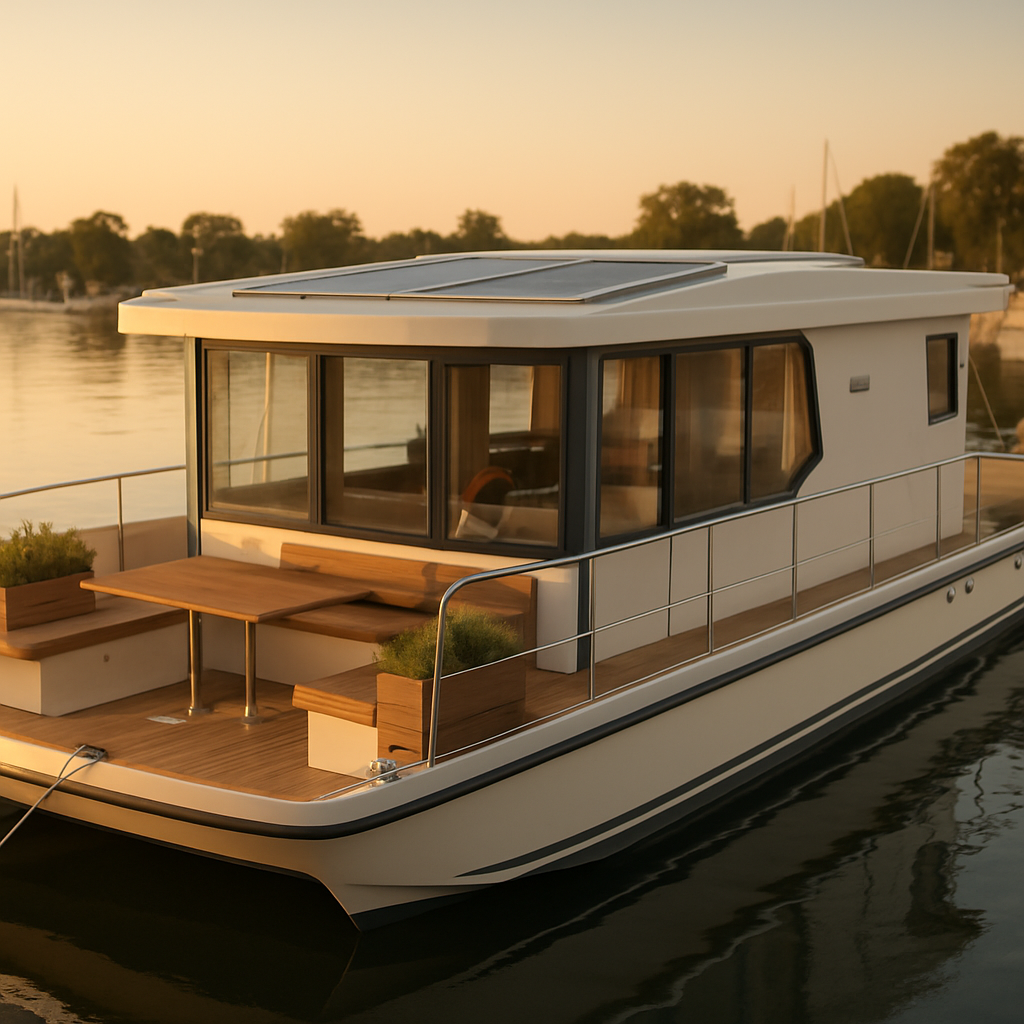
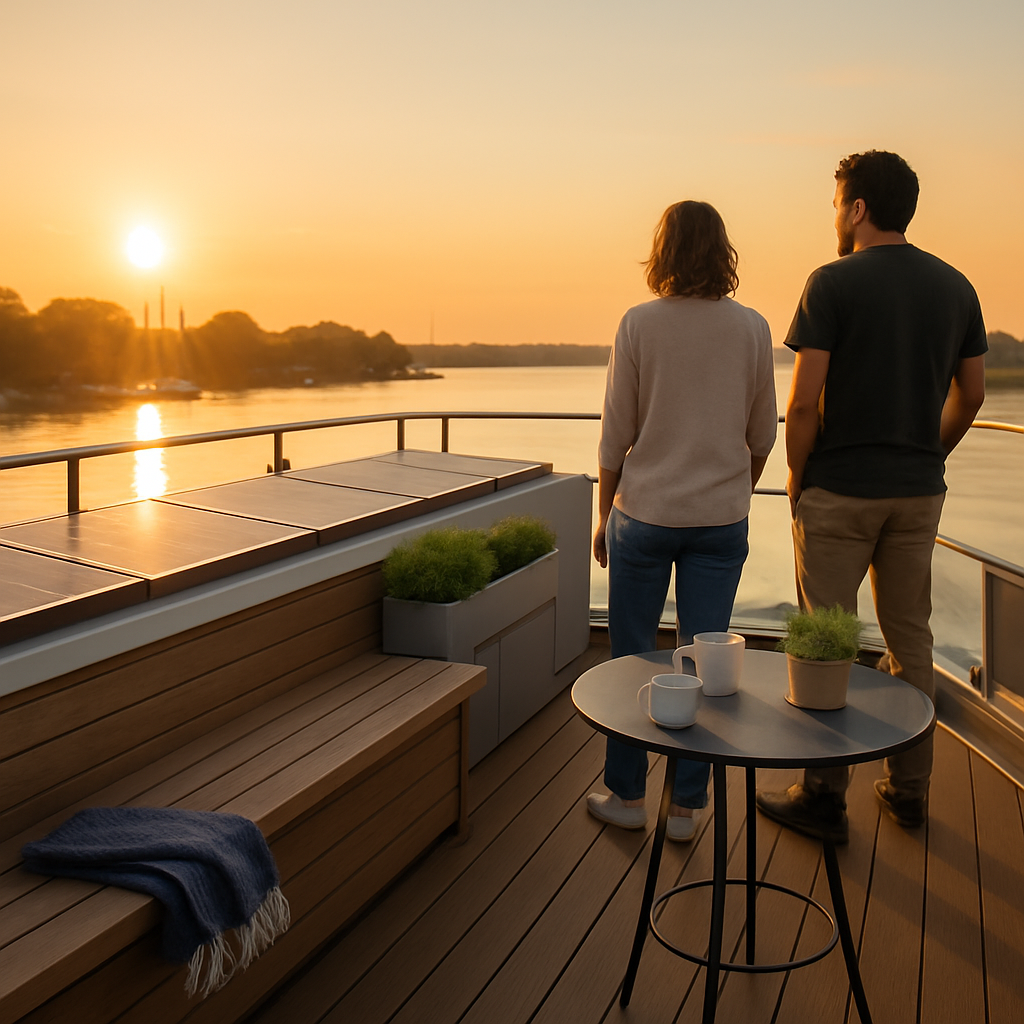
Du can picture it already: morning coffee with a horizon view, friends clustered around a little table at sunset, perhaps a small herb garden giving off that fresh scent. Roof Deck Spaces can do that—add usable square footage, improve sightlines, and elevate the lifestyle aboard Du’s houseboat. But good design isn’t just about looks. It’s about balancing structure, safety, weight, and day-to-day usability so the deck works for real life on the water.
Start with clear goals
Before sketching benches or ordering teak, ask Du: What will Du use the roof deck for, most of the time? Quiet mornings? Entertaining? Cooking outside? Solar panels? Each priority alters the decisions Du make—materials, drainage, access, structural reinforcement, even the required permissions or insurance considerations.
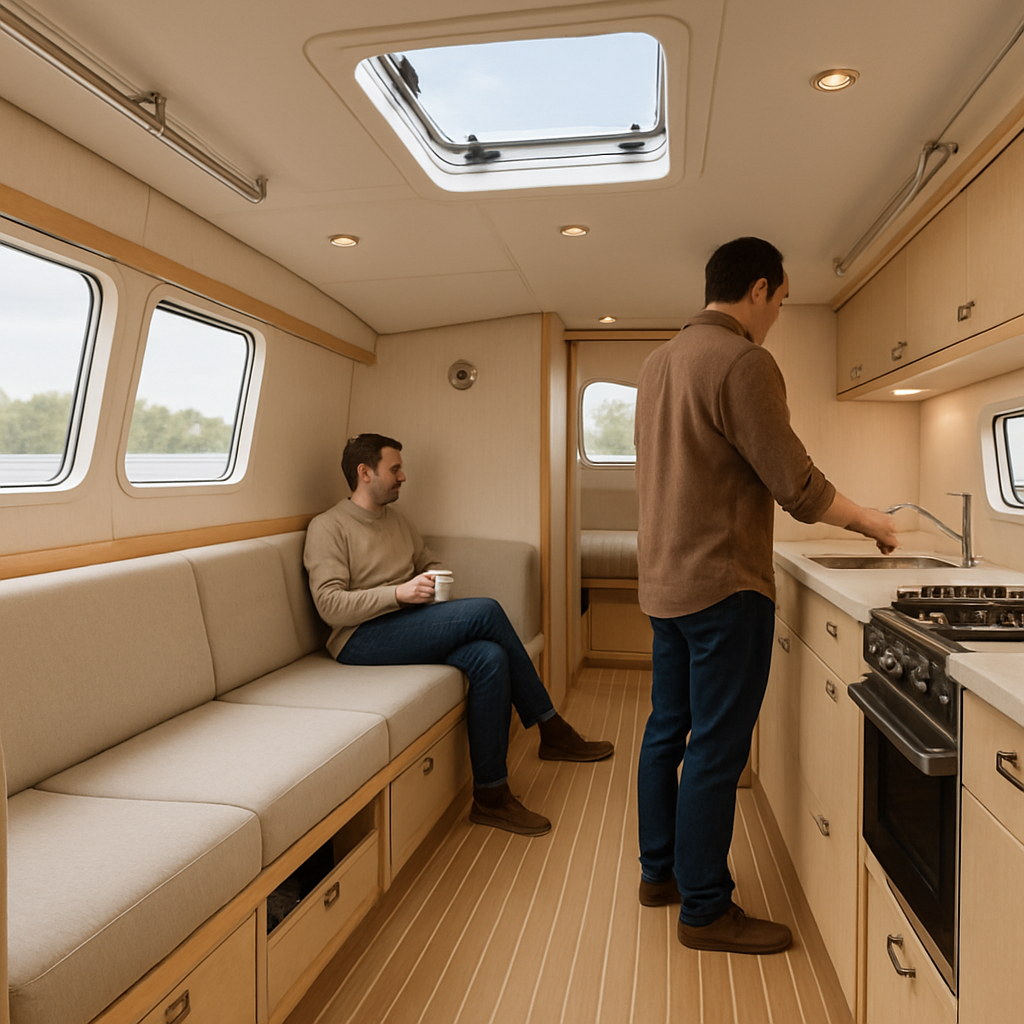
If Du want practical examples that show how transformable furniture and smart detailing free up valuable deck area, check out Convertible Multiuse Spaces for ideas on fold-away seating and multi-function elements that perform double duty. To understand how roof deck choices affect the interior and how to marry both for efficient flow, review Efficient Interior Layouts, which highlight circulation and storage solutions. For a broader sweep of concepts across hull types and aesthetics, the collection of Houseboat Design Ideas ties roof deck spaces into whole-boat strategies so Du can pick the approach that fits Du’s lifestyle.
Plan circulation and ergonomics
On a moving platform, cramped spaces feel worse than on land. Keep walkways at least 30–36 inches where possible, with minimums of 24–30 inches for secondary circulation. Seating depth matters: 18–24 inches for a bench, 36–42 inches for chairs plus a table. Think about how people will move when the boat rocks—avoid narrow bottlenecks by placing fixed elements along the centerline or flush to bulkheads.
Weight, sightlines, and balance
Roof Deck Spaces add weight high on the vessel. That affects the center of gravity, roll, and fuel efficiency. Place heavy items close to the centerline and as low as possible—think built-in storage under seating, or mounting fridges in recessed lockers. Also, plan to avoid blocking the helm’s sightlines. Nothing ruins a cruise like a crowded helm view.
Access and system integration
Easy access matters. Stairs, ladders, and hatches should be intuitive, safe, and unobtrusive. Make sure the roof deck design does not obstruct antennas, vents, or panels that require routine maintenance. Plan wiring and plumbing routes early: running them after the fact is a headache—and expensive.
Materials and Methods for Durable Roof Deck Spaces on a Houseboat
Salt spray, UV light, and constant movement make marine environments unforgiving. The right materials and installation methods make the difference between a deck that lasts and one Du’re constantly patching.
Structural deck and substrate choices
Choose a substrate that matches Du’s weight budget, skill level, and maintenance appetite. Marine plywood is light and familiar to DIYers, but it must be completely sealed and protected from moisture. Fiberglass over foam or solid laminate gives a seamless, watertight finish but calls for expertise. Aluminum is lightweight and corrosion-resistant for frames, while composite cores offer low maintenance with the look of wood.
Finish options and underfoot comfort
How the deck feels underfoot is part of the experience. Options include:
- Non-skid gelcoat or paint—economical, functional, needs periodic recoating.
- Teak or hardwood—classic, comfortable, but heavy and maintenance-intensive.
- Composite decking—low maintenance, good slip resistance, available in plank formats.
- Interlocking rubber or PVC tiles—easy to replace, forgiving underfoot, ideal for rental or seasonal boats.
Fasteners, adhesives, and sealing
Use marine-grade fasteners—316 stainless or aluminum where appropriate—and marine adhesives designed for the chosen substrates. Fastener penetrations must be bedded with proper sealants and inspected regularly. Relying solely on sealants is risky; wherever possible use mechanical edge trims or profiles to anchor finishes.
Protect against corrosion and UV
Metals should be 316 stainless or anodized aluminum. Use UV-stable finishes on plastics and composites. If metal parts frequently splash with saltwater, consider sacrificial anodes and periodic inspection to catch corrosion early.
Layout Ideas to Maximize Roof Deck Spaces on Narrow Hulls
Narrow hulls force creativity. The trick is to maximize usable area without making the deck feel crowded or unsafe. Think linear, multifunctional, and stowable.
Longitudinal zoning
Instead of trying to cram everything across the beam, lay out zones from bow to stern: a relaxed forward lounge, central walkway and service points, and an aft area for cooking or storage. This uses the length of the deck, keeps weight distributed, and reduces cross-traffic.
Fold-away, modular, and built-in solutions
Stowable furniture is Du’s best friend on narrow boats. Fold-down tables, hinged benches, and slide-out planters clear space when needed. Built-in seating with under-seat storage removes loose items that can become hazards at sea. Modular units let Du reconfigure for entertaining or solo relaxation.
Vertical strategies and low-profile features
When width is limited, go vertical. Trellises with climbing plants add privacy without taking floor area. Wall-mounted fold-out bar stations, hoop rails that double as planter supports, and slim solar arrays mounted vertically keep the deck open while adding function.
Where to put heavy stuff
Locate heavy appliances along the centerline and as low as possible. Avoid heavy aft or forward placements unless the hull and floatation are specifically engineered for that load. If Du’re adding a barbecue, fridge or a small water tank, factor that into stability checks and consult a marine engineer if unsure.
Safety, Weatherproofing, and Maintenance of Roof Deck Spaces
Safety and ongoing maintenance aren’t glamorous, but they’re the reason Du’s roof deck keeps delivering joy instead of headaches. Design for safety first, aesthetics second.
Guardrails, handholds, and barriers
Guardrails need to meet local maritime regulations. Typical guidance suggests 36–42 inches in height and spacing that prevents children or gear from slipping through. Incorporate handholds at transitions and steps—people appreciate a secure grip when the water gets choppy.
Slip resistance and trip avoidance
A good non-slip surface is essential. Avoid loose rugs; use secured mats and add contrasting strips on step edges for visibility. Keep clutter to a minimum—storage under seats or in lockers keeps the deck tidy and safe.
Drainage design and ponding prevention
Water pooling is a deck killer. Design a slight slope—1–2%—toward scuppers or drains. Use raised planter bases and ensure drains have strainers to prevent debris buildup. Inspect drain lines seasonally to avoid blockages.
Waterproofing systems that work
Water intrusion is the most common source of long-term damage. Consider options such as seamless fiberglass overlays, EPDM/TPO membranes for pontoon-type decks, or polyurethane liquid membranes with UV-stable topcoats. For any system, detail penetrations carefully and provide access panels for future maintenance.
Maintenance routine you can actually keep
Keep it simple and regular:
- Monthly: sweep and clear debris, check scuppers and drains, visual rail inspections.
- Quarterly: inspect sealants, fasteners, and evidence of corrosion; clean and top up protective coatings as needed.
- Annually: deep clean, reapply non-skid or finish coats, and check structural connections and through-deck fittings.
Electrical, Lighting, and Amenities for Roof Deck Spaces on Houseboats
Good lighting, safe power, and a few well-chosen amenities make Roof Deck Spaces feel like a proper social area instead of an afterthought. Done right, they increase comfort and use while keeping systems safe and simple.
Power choices and integration
Decide: will Du’s roof deck use shore power, inverter-fed AC, DC from house batteries, or solar? Most boats end up with a mix. Solar pairs naturally with Roof Deck Spaces—panels on a low-profile rack or integrated into canopies. But plan wiring carefully and keep major AC appliances near the main power distribution panel.
Safety-first electrical setup
Use marine-grade wiring and fittings. Protect AC circuits with GFCI/AFCI outlets and DC circuits with appropriately rated fuses or breakers. Wire runs should be in protected conduits and labeled. If Du’re not confident, hire a marine electrician—this is one area where savings can lead to expensive problems.
Lighting—layer it for mood and function
Layered lighting makes a space versatile. Use task lights near prep areas, step lights for safety, ambient LED strips under benches for atmosphere, and a few accent fixtures to highlight planters or seating nooks. Pick waterproof fixtures rated for marine exposure (IP67 or higher) and warm color temperatures (2700–3000K) for a welcoming vibe.
Practical amenities worth the space
Think small but useful: a built-in fridge drawer, a slide-out barbecue in a ventilated locker, a freshwater washdown or small showerhead, and plenty of USB outlets. Make sure gas systems are vented properly and that appliances are accessible for maintenance.
Connectivity and sound
For sound, choose marine speakers and hide amplifiers below decks with ventilation. For internet, an elevated Wi-Fi antenna or mobile hotspot improves reception. Keep devices protected with weatherproof enclosures and plan for cable runs that won’t interfere with moving parts.
Case Studies and Practical Examples
Here are real-world layouts to help spark ideas for Du’s Roof Deck Spaces. Each answers a different brief and shows how design choices match needs.
Shallow draft narrow hull — the entertainer
Imagine a narrow houseboat used mainly for weekend socials. A long built-in bench runs down the center with fold-out tables. Composite decking cuts weight and maintenance. Solar panels sit on side cornices, keeping the centerline clear. A lightweight aluminum pergola offers shade without adding heavy windage.
Wide-beam barge — garden and lounge
A wider houseboat allows raised planter boxes with lightweight soil mixes and internal drainage to scuppers. Fiberglass decking with non-skid finish supports heavy pieces like a fridge and barbecue, placed near the centerline. Glass windbreaks keep the lounge comfortable while preserving the view.
Pontoon-style — minimalist retreat
On a pontoon-style hull, a rubberized EPDM membrane offers easy waterproofing. Use interlocking tiles for a quick, reconfigurable surface. A removable awning and multi-use storage boxes let Du switch between an empty sunbathing deck and a full lounge in minutes.
Cost Considerations and Project Phasing
Budgeting is where dreams and reality meet. Roof Deck Spaces can be modest or lavish depending on materials and systems. The big cost drivers include structural reinforcement, premium finishes (like teak or custom glass), and professional installation of fiberglass or electrical systems.
Phase to reduce risk
A smart approach is to phase your project:
- Phase 1: basic structural reinforcement, waterproofing, and a clean, functional surface.
- Phase 2: built-in seating, storage, and essential wiring for lighting.
- Phase 3: appliances, solar, and final finishes like composite planks or teak if desired.
Phasing lets Du test balance, usage patterns, and the impact on handling before committing to heavy or permanent additions.
FAQ — Common Questions About Roof Deck Spaces
What load can a Roof Deck Space safely carry?
Typical residential roof design loads range from 40–60 psf, but houseboats behave differently because buoyancy and hull stiffness affect how loads transfer. Always have a marine engineer assess Du’s hull and roof framing. They will calculate distributed and concentrated loads, factoring in live loads for gatherings and any heavy appliances or planters Du intend to install.
Which materials last longest for Roof Deck Spaces with the least maintenance?
Composites and capped-plastic deck boards perform well with minimal upkeep—no sanding or oiling like teak. Fiberglass overlays with gelcoat provide a seamless, waterproof surface. EPDM/TPO membranes are durable on pontoon-style decks. Each has trade-offs in weight, appearance, and repairability, so choose based on Du’s tolerance for maintenance and desired look.
Do I need permits to build or modify a roof deck on a houseboat?
Regulations vary widely by jurisdiction, marina, and whether the houseboat is registered as a vessel or a floating home. Some areas require structural sign-offs, electric permits, or even zoning approval. Contact local authorities and the marina manager before major modifications; a quick check can save Du legal headaches and costly rework.
How do I prevent leaks and ponding on a roof deck?
Design with a small slope (1–2%) toward scuppers or drains, and use a reliable waterproofing system—seamless fiberglass, EPDM/TPO membrane, or a high-quality liquid polyurethane. All penetrations must be carefully detailed and regularly inspected. Keep drain strainers clear of debris and provide access to drain plumbing for routine cleaning.
Can I install a barbecue and fridge on a roof deck?
Yes, but placement and ventilation are critical. Mount barbecues in ventilated lockers with dedicated exhaust, follow marine LPG regulations if using gas, and keep compressors and heat-generating appliances near the centerline and low as possible. Ensure fuel and gas lines are routed and secured per marine codes and that Du can access components for service.
Are solar panels suitable for Roof Deck Spaces?
Absolutely. Roof decks are ideal for solar due to clear exposure to sunlight. Keep panels low-profile to reduce windage and plan cable runs to the charge controller and battery bank. Use appropriately sized inverters and protection, and consider tilt options or flexible panels if Du’s roof is curved or constrained.
What maintenance should Du do seasonally?
Monthly: clear debris, inspect drains, sweep and rinse. Quarterly: check sealants, fasteners, and finish coatings. Annually: deep clean, reapply protective coatings, inspect structural connections and through-deck fittings, and service mounted equipment like BBQs and solar panels. A short checklist kept in Du’s boat log makes maintenance manageable.
Is it better to DIY or hire professionals for Roof Deck Spaces?
Light cosmetic upgrades and non-structural changes are good DIY projects for skilled owners. Structural modifications, fiberglass work, complex electrical systems, or gas installations should involve experienced marine professionals. Consulting a marine engineer early can help Du plan safely and save money in the long run.
Final Checklist Before You Build
- Define the primary uses of Du’s roof deck and list must-have amenities.
- Consult a marine engineer for load and stability analysis, especially if Du plan heavy items.
- Choose marine-rated materials: 316 stainless fasteners, tinned wire, UV-stable finishes.
- Plan drainage, ensure adequate slopes to scuppers, and design access to drain lines.
- Create a clear electrical plan with proper protection and professional inspections for AC work.
- Design guardrails and handholds to meet safety codes and practical needs.
- Phase the build so Du can test live loads and balance before installing heavy or permanent features.
Quick FAQ — Roof Deck Spaces
How much weight can a roof deck handle?
Typical residential roof live loads are 40–60 psf, but houseboats differ. Always consult a marine engineer for precise calculations based on hull type and framing.
Is teak worth it?
Teak looks beautiful and is durable, but it’s heavy and requires upkeep. For low-maintenance Roof Deck Spaces, composite planks give a similar aesthetic without the constant care.
Can I add solar panels on a roof deck?
Absolutely. Roof Deck Spaces are ideal for solar. Keep panels low-profile, mind wind loads, and plan cable routes to the charge controller and battery bank.
Final Thoughts
Roof Deck Spaces transform houseboats from functional vessels into floating homes with style, comfort, and personality. The secret is to make choices that respect marine realities—weight, waterproofing, and safety—while staying creative about layout and amenities. Start small if needed, test how Du actually use the space, then refine. A thoughtful roof deck adds value, expands living area, and gives Du those moments on the water that make all the effort worth it.
Ready to sketch Du’s rooftop retreat? Grab a notebook, measure the roof, note existing penetrations and equipment, and reach out to a marine engineer for load checks. Then, slowly build the deck of Du’s dreams—one safe, smart decision at a time.