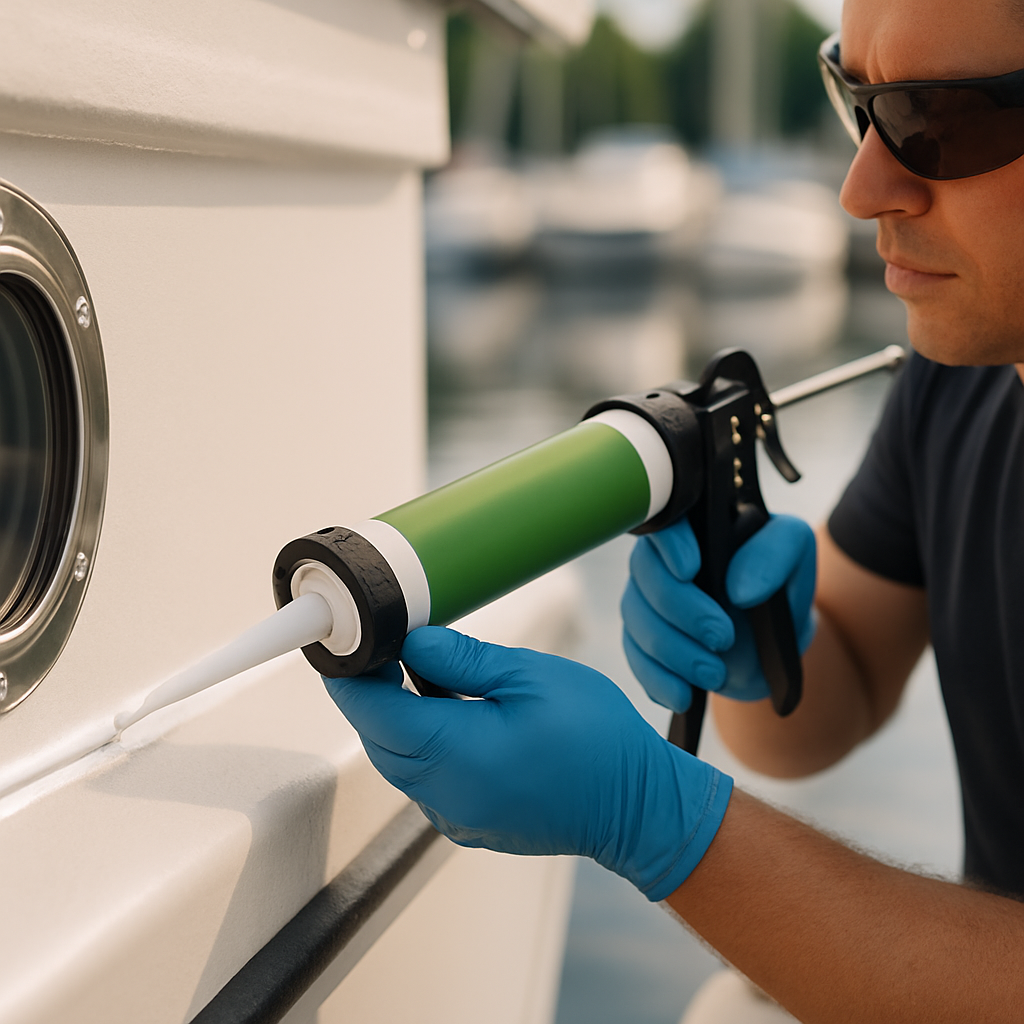
Non Toxic Sealants for Houseboats: Keep Your Floating Home Safe, Fresh, and Leak-Free
If you’re building or maintaining a houseboat, the last thing you want is a chemical haze in your cabin or a surprise leak under the deck. Non Toxic Sealants let you seal joints, set hardware, and weatherproof living spaces while keeping air quality and waterways in mind. This guide walks you through why non toxic sealants matter, which types to use where, and how to apply and maintain them like a pro—without sounding like a lab tech. By the end, you’ll know how to pick the right product and keep your houseboat snug and healthy for years.
Why Choose Non-Toxic Sealants for Houseboats?
There’s a practical reason and a moral one. Practically, non toxic sealants often have lower odor, fewer harsh solvents, and safer cleanup. Morally, you’re protecting people and the water you live on. Houseboats are small, shared spaces—fumes linger, and runoff goes straight into the water. When you choose Non Toxic Sealants, you reduce exposure to volatile organic compounds (VOCs), minimize environmental impact, and often make maintenance easier down the line.
Think about it: you don’t want to be the person who paints the cabin and then can’t sleep because of the chemical smell. You also don’t want to be the boat owner who unknowingly contributes to polluted marinas. Non toxic choices are about being a responsible boater—smart, practical, and a little proud of it.
One practical tip: think about the substrate before you buy a cartridge. If your build uses Marine Grade Plywood in cabins or deck cores, or you’re exploring heavier frameworks like Recycled Steel Framework, the sealant choice and any required primers will change. Our detailed guide on Materials for Houseboats explains how different substrates react to moisture, heat, and adhesives, and it helps you match Non Toxic Sealants to the right surfaces so you avoid adhesion problems and extend seal life.
Benefits of Using Non-Toxic Sealants on Your Houseboat: Health, Safety, and Longevity
Health: Breathe easier on board
Low-VOC and waterborne sealants cut back on the nose-tingling fumes you get from older solvent-heavy products. That means fewer headaches, less respiratory irritation, and fewer trips to open every hatch in sight. For families with kids, older adults, or anyone with asthma, Non Toxic Sealants can be a real quality-of-life upgrade.
Safety: Less flammable, fewer surprises
Solvent-based sealants can be flammable and sometimes require serious ventilation precautions. Non toxic waterborne and hybrid products reduce those risks. That’s especially relevant below decks and in tight corners where sparks happen—or where you forgot to bring a fan.
Longevity: Modern formulas get the job done
Here’s the kicker: “non toxic” doesn’t mean “weak.” Modern low-VOC polysulfides, MS polymers, and waterborne polyurethanes are engineered for marine life. Many match or even exceed older products in flexibility, adhesion, and UV resistance—if you pick the right product for the right job and apply it correctly.
Top Non-Toxic Sealants for Hull, Deck, and Cabin Sealing: A HomeBoatBuilding.com Guide
Let’s break this down by category so you can quickly match the product to the job. Not every sealant fits every surface or scenario—so read the label and use common sense.
| Type | Best Uses | Why You’d Pick It | Limitations |
|---|---|---|---|
| 100% Silicone (Neutral Cure) | Portholes, windows, bathroom fixtures, non-painted metal | Flexible, UV-resistant, low odor when neutral-cure | Not paintable; adhesion issues on some plastics |
| Polyurethane (Waterborne / Low-VOC) | Deck hardware, seams above waterline, structural joints | Strong bond, good abrasion resistance, flexible | Cure slower in cold; avoid solvent versions if aiming for non toxic |
| Polysulfide (Marine-grade) | Immersion joints, hull-to-deck seams, fuel- and water-resistant areas | Excellent fuel and chemical resistance; durable underwater performance | Legacy products had higher VOCs—look for modern low-VOC options |
| MS Polymer / Hybrid | Exterior trim, paintable gaps, general-purpose seam sealing | Paintable, low-odor, strong adhesion to many surfaces | Formulations vary—check UV resistance for constant sun exposure |
| Acrylic-Latex (Water-based) | Interior trim, cosmetic gaps, paintable joints | Very low VOC, easy cleanup, paint-friendly | Not for constant immersion or high-flex joints |
How to interpret the categories
If the joint stretches a lot, pick the high-elasticity options (silicone, polysulfide). If you need paintability, go hybrid or acrylic-latex. For hardware and load-bearing joints, favor polyurethanes or MS polymers. And if you’re planning a tank or immersion use, double-check potable-water compatibility and marine ratings.
How to Choose Non-Toxic Sealants: Compatibility, Cure Time, and Certifications
Choosing the right Non Toxic Sealants is part art, part checklist. Here’s what to weigh before you buy a cartridge and start squeezing sealant into every crack like it’s sunscreen.
Substrate compatibility
Is it aluminum, stainless, painted wood, or fiberglass? Some sealants hate oily metals or certain plastics. A small adhesion test on an inconspicuous spot saves grief later. If the TDS (technical data sheet) recommends a primer for your substrate, follow it.
Movement and elasticity
Estimate how much movement the joint will see. Doors and windows move differently than deck hardware under load. High elongation percentages mean the sealant can stretch more without failing. For big moves, choose sealants with 200%+ elongation.
Cure time and environmental conditions
Low-VOC products often cure slower than solvent-based ones. Temperature and humidity matter. Don’t seal something you’ll be rushing into the water tomorrow if the product needs days to fully cure. Plan work around warmer, dryer days when possible.
Paintability
If you want a seamless painted finish, make sure the sealant is paintable. Many silicones won’t take paint. MS polymers and acrylic-latex usually will, but check the TDS for compatibility with marine paints.
Certifications and VOC ratings
Look for actual VOC numbers on the TDS—lower g/L is better. Certifications like GREENGUARD or other low-emission labels are golden if you care about indoor air. For potable use, look for manufacturer statements or potable-water certifications.
Safety Data Sheets (SDS)
Even “non toxic” products have warnings sometimes. Read the SDS to learn about handling, storage, recommended PPE, and disposal. It’s not glamorous, but it’s the difference between a safe job and a trip to the urgent care.
Application Guide: Sealing Your Houseboat with Non-Toxic Sealants
Application is where good products meet poor workmanship—or where you get a waterproof joint that lasts. Don’t skip steps. Here’s a practical, proven workflow that keeps your work neat and reliable.
Preparation
Proper prep is half the job. Remove old sealant, clean the substrate, and make sure everything is dry. Old goo loves to hide behind hardware; take the time to dig it out. Use plastic scrapers and minimal solvents—choose water-based cleaners when possible. If you must use solvent, ventilate and wear gloves.
Backer rod and joint geometry
Backer rod keeps sealant depth correct and prevents three-sided adhesion. Aim for a depth that gives about a 1:2 depth-to-width ratio. That means if the joint is 10 mm wide, your sealant depth should be about 5 mm—roughly. This allows the sealant to flex without tearing.
Priming and adhesion
Some surfaces, like certain plastics and bare metals, need a primer to bond well. Check the product instructions. Skipping primer on a tricky surface is a common DIY mistake that leads to failed seals, sooner rather than later.
Apply and tool
Cut the nozzle to the right bead size, apply a continuous bead with steady pressure, and tool it smooth within the tooling window. For silicones, a little soapy water on your tool helps. For other systems, use the manufacturer’s tool agent. Smooth tooling helps adhesion and looks tidy—but the most important part is ensuring complete contact along both sides of the joint.
Cure and protect
Do not stress the joint or paint over it until the sealant reaches full cure. Many low-VOC products take longer—sometimes days. Be patient; a rushed job can mean a leak when you least expect it.
Maintenance and Re-Sealing: Keeping Your Houseboat Watertight with Non-Toxic Products
Sealing isn’t a one-and-done job. Sealants age, UV breaks them down, and mechanical stress eventually wins. Regular inspections and timely re-sealing keep small problems from becoming major headaches.
Inspection schedule
Do a quick visual check of all exterior seams twice a year—spring and fall are good times—and after storms or long passages. Look for cracks, shrinks, discoloration, or areas pulling away from the substrate. Touch suspect spots with your fingertip (gently) to test flexibility.
When to re-seal
Re-seal when you see cracks, loss of adhesion, or water stains that trace back to sealed joints. If the sealant has become brittle or powdery, it’s past time. Don’t wait until a drip becomes a puddle under your cabinetry.
How to re-seal correctly
Remove loose or failed sealant down to a sound edge, clean thoroughly, and use a backer rod if the gap is deep. If you’re switching sealant type (for example, from silicone to MS polymer), roughen the surface and prime if required. Match the new product to the job and check cure windows before you finish up and close hatches.
Choosing Brands and Products: Practical Tips for DIY Builders
Forget brand worship—focus on the facts. Look at technical data, SDS, and real-world reviews from other boaters in similar climates. If a product claims to be low-VOC, verify the number on the TDS. If a manufacturer claims potable-water safe, look for the certification or a clear statement.
When in doubt, ask the supplier or a trusted marine forum. People who’ve sealed dozens of boats are surprisingly forthcoming with tips. And keep a log of what you used and when—you’ll thank yourself when you need to re-seal or when warranty questions pop up.
Quick Application Checklist
- Remove old sealant and clean surfaces thoroughly
- Dry surfaces completely before applying
- Install backer rod for deep joints
- Prime surfaces if the product recommends
- Cut nozzle to correct bead size and apply evenly
- Tool the bead smooth within tooling time
- Allow full cure before stress or exposure to water
- Record product and date in your maintenance log
FAQ — Common Questions About Non Toxic Sealants
Q: What exactly are “Non Toxic Sealants” and how do they differ from regular marine sealants?
You’re asking the right starter question. Non Toxic Sealants generally refer to low-VOC, waterborne, or hybrid formulations that limit harmful solvents and off-gassing. Unlike older solvent-based marine sealants, they produce fewer fumes during application and cure, making them friendlier for enclosed living spaces and for the environment. Performance varies by chemistry, so “non toxic” describes safety and emissions more than mechanical properties—always compare the TDS for strength, flexibility, and cure time.
Q: Which non-toxic sealant should I use for the hull below the waterline?
For submerged or immersion seams you’ll want a product designed for marine immersion—traditionally polysulfide has been the go-to because of its fuel and water resistance. Today there are low-VOC polysulfide and specially formulated hybrid systems made for immersion. The critical step is to verify the manufacturer’s marine/immersion rating and any potable-water or fuel-contact statements before using it below the waterline.
Q: Can non-toxic sealants handle deck hardware and heavily stressed joints?
Yes—if you choose the right chemistry. Waterborne or low-VOC polyurethanes and MS polymers are commonly used for deck hardware because they offer strong adhesion and abrasion resistance. Make sure you follow torque specs, use proper bedding techniques (backer rod and correct bead size), and let the sealant fully cure before loading the fasteners.
Q: Are non-toxic sealants safe for potable water tanks and plumbing?
Some are, but not all. If you’re sealing a potable tank or fittings for drinking water, only use sealants explicitly certified or labeled safe for potable water contact. Manufacturers will state this on the TDS or product page—don’t guess. When in doubt, contact the manufacturer for confirmation.
Q: How long do non-toxic sealants last compared to solvent-based ones?
Real-world lifespan depends on UV exposure, movement, and substrate prep. Modern low-VOC and hybrid products can match or even exceed older solvent-based sealants if properly applied and maintained. Expect regular inspections and periodic re-sealing based on condition rather than an arbitrary date—many folks find a 5–10 year window for exterior joints, shorter in extreme sun or heavy flex zones.
Q: My sealant smells a little during application—does that mean it’s not non-toxic?
Not necessarily. “Non-toxic” and “no odor” aren’t identical. Some low-VOC products still have a mild odor during cure, especially in confined spaces. Ventilation, gloves, and sensible PPE help. If the smell is strong, acrid, or gives you headaches, stop and check the SDS—you might have a solvent-based product or a formulation that needs better ventilation.
Q: Can I switch sealant types when re-sealing (for example, silicone to MS polymer)?
Switching is possible but requires care. Remove as much old material as necessary to get to a sound substrate, clean thoroughly, and follow any priming requirements. Different chemistries can have adhesion issues when layered, so roughening and priming often solve those problems. When in doubt, test a small area first.
Q: How should I maintain and inspect seals to avoid leaks?
Inspect seams visually at least twice a year and after big trips or storms. Look for cracks, hardening, or edges pulling away. Test flexibility gently with your fingertip. Keep a maintenance log noting product, date, and location—this saves guessing later about expected re-seal windows. Address small failures promptly to avoid water damage.
Q: Where can I find trusted recommendations for non-toxic sealants?
Start with manufacturer technical data sheets and Safety Data Sheets, then cross-check marine forums and local boatyards for real-world experience in climates similar to yours. For substrate-specific advice—like how sealants behave on Marine Grade Plywood or Recycled Steel Framework—our Materials for Houseboats hub is a good place to match product to material before buying cartridges.
Q: Any safety tips when applying non-toxic sealants?
Yes—don’t get complacent. Even low-VOC products benefit from ventilation and basic PPE: nitrile gloves and eye protection. Read the SDS, use recommended primers sparingly and safely, and allow full cure before closing hatches or stressing joints. Treat non-toxic as “safer,” not “risk-free.”
Final Recommendations for DIY Houseboat Builders
Here’s the short version: pick Non Toxic Sealants that match the joint and exposure, read the TDS and SDS, prepare surfaces properly, and don’t rush the cure time. Keep a maintenance log, inspect seams regularly, and treat sealants like insurance—cheap to buy, priceless when they work.
You’re building more than a boat—you’re building a home on the water. The choices you make about materials affect your comfort, the health of your crew, and the environment you float on. By choosing Non Toxic Sealants and applying them thoughtfully, you’ll have a safer, cleaner, and longer-lasting houseboat. If you want product recommendations tailored to your boat type and climate, drop details on hull material, common weather, and what you’re sealing—and we’ll help you pick the right cartridge for the job.