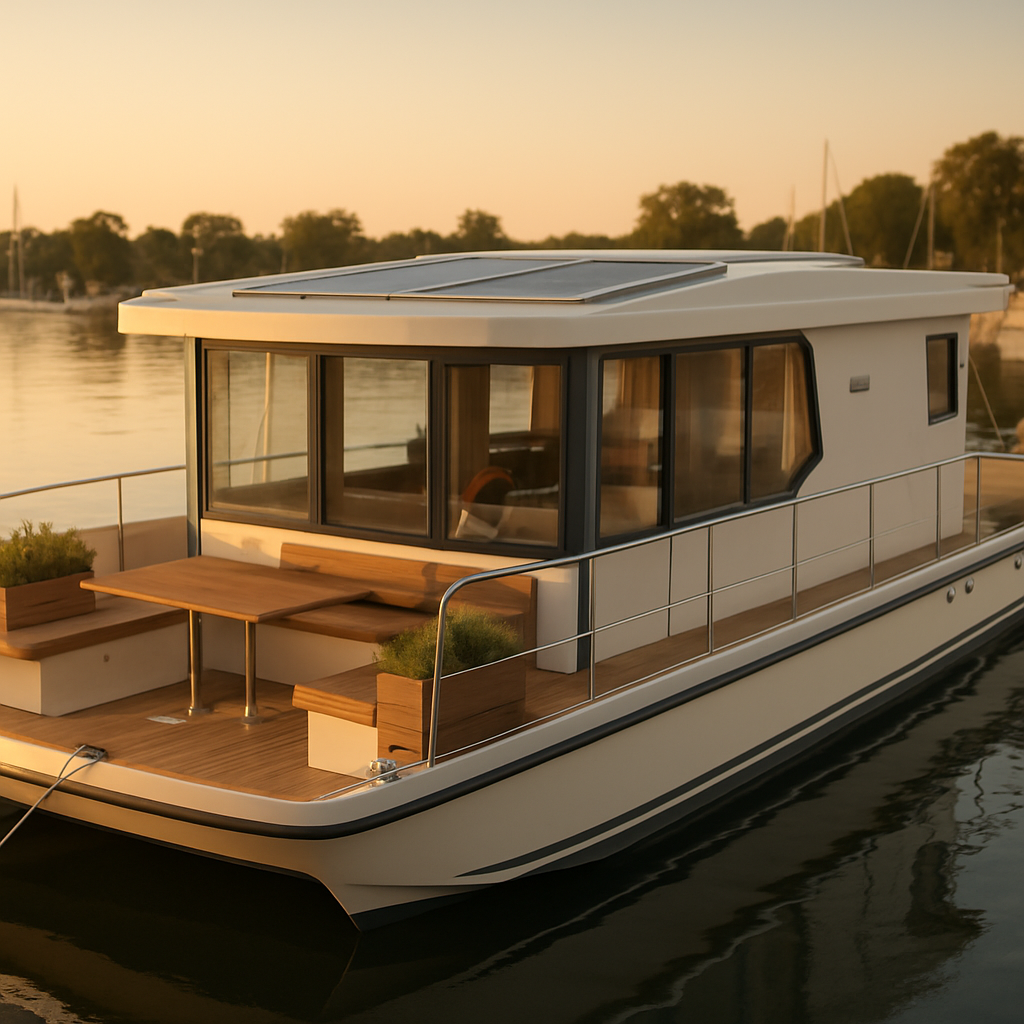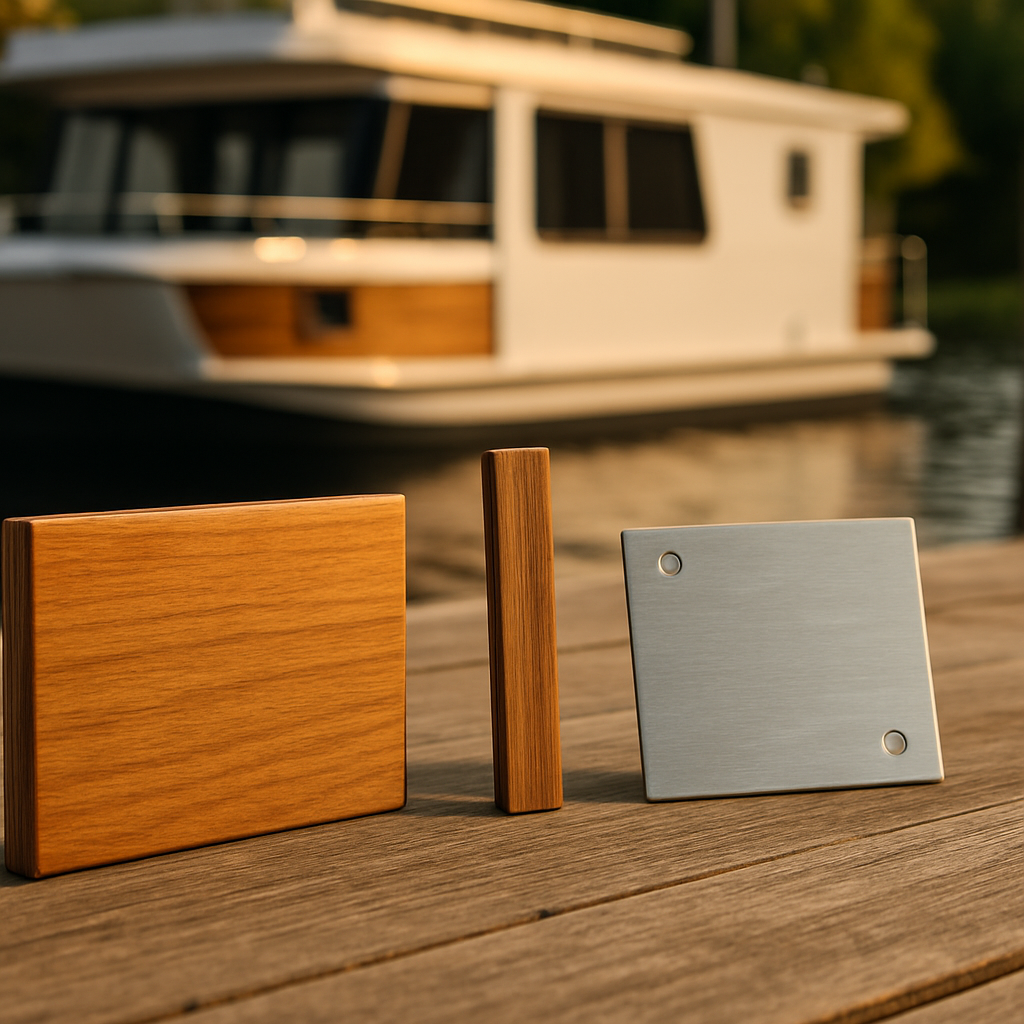
Choosing the right Materials for Houseboats is the single most important decision you’ll make as a builder or DIY enthusiast. The materials determine how long your houseboat lasts, how much it weighs, how often you’ll be sanding and painting, and—most importantly—how comfortable and safe life onboard will be. This guest post takes you step-by-step through exterior and interior options, compares marine-grade vs. DIY-friendly choices, explores sustainable alternatives, and gives budget-smart advice so you can build a houseboat that actually fits your lifestyle and wallet.
Quick Overview: How to Choose Materials for Your Houseboat
Before you pick plywood or aluminum, take a breath and answer a few simple questions: Where will you cruise—saltwater, freshwater, or both? Will the boat be a weekend getaway or a full-time floating home? How much maintenance do you really want? Your answers will guide which Materials for Houseboats make sense.
- Floatation and weight: heavier materials change handling and fuel needs.
- Corrosion and moisture resistance: saltwater use demands different choices.
- Maintenance expectations: wipe-and-forget materials save time.
- Thermal comfort and condensation control: important for longer stays and cold climates.
- Safety and regulatory issues: fire ratings, approved through-hull fittings, electrical standards.
- Budget and skill level: some materials require pro tools or welders; others are DIY-friendly.
Flooring on a houseboat needs to be practical and attractive; if you’re considering alternatives to typical marine carpet or vinyl, also take a look at Bamboo Flooring Options that can be adapted for moisture-managed installations. Bamboo can be surprisingly resilient when properly finished and mounted over a waterproof substrate, giving you a warm, modern look without the weight of hardwood. Think about how changes in humidity will affect boards and make sure installation uses marine adhesives and sealed edges for longevity and an easier clean.
If you want a reliable hub for detailed how-tos, plans, and parts lists, check out homeboatbuilding.com as a starting point for practical advice and community feedback. That site often includes case studies and buyer notes that help you compare vendors, materials, and realistic maintenance needs. Using a dedicated resource reduces guesswork and helps you avoid common mistakes like buying non-marine-rated fasteners or missing critical sealing steps that lead to rot or corrosion later on.
Windows and glazing play a big role in comfort and energy use—consider the benefits of Low Emissivity Glass for large salon windows to cut heat gain in summer and heat loss in winter. Low-E coatings paired with proper seals and frames minimize condensation and improve thermal comfort, meaning the heating or cooling system runs less and you get fewer damp patches. Properly installed glazing also reduces glare and UV exposure for interiors, protecting fabrics and finishes.
When building cabinets, bulkheads, or deck cores, you’ll want to rely on Marine Grade Plywood wherever structural exposure to moisture might occur. Marine plywood’s void-free construction and adhesive quality make it far more reliable than standard plywood in wet environments, and when you seal it with epoxy or waterproof finishes it becomes the backbone of many successful DIY builds. Skimping here often means higher costs later when rot shows up in hidden corners.
Health and longevity go hand-in-hand, and it’s smart to pick adhesives and sealants that won’t off-gas harmful chemicals when you’re living in a small space; look closely at Non Toxic Sealants for seams, windows, and core bonding. Low-VOC and non-toxic formulations reduce onboard smells and long-term exposure risks, and they often perform well under marine UV and movement—just be sure to check cure profiles and compatibility with substrates to avoid adhesion failures.
For those wanting to reduce embodied carbon without giving up strength, consider structural choices like a Recycled Steel Framework for chassis or framing elements. Recycled steel can be robust and cost-effective while offering excellent recyclability at end of life; paired with proper coatings and sacrificial anodes, it performs reliably in marine environments. As with any metal choice, plan for corrosion protection and thermal breaks to keep condensation and cold bridging in check.
Exterior Materials for Houseboats: Durability, Weight, and Maintenance
Your houseboat’s exterior takes the brunt of the elements. Choosing the right Materials for Houseboats for hulls, pontoons, decks, and superstructures prevents headaches and keeps your boat seaworthy.
Common Hull and Pontoon Materials
Each hull material has trade-offs. Think long-term—what’s cheap now may cost more down the line.
- Aluminum — Lightweight, forgiving for custom shapes, and relatively low-maintenance. It’s a favorite for DIY pontoons and custom hulls. Watch for galvanic corrosion where aluminum meets other metals; use proper anodes and isolation.
- Steel — Tough as nails and ideal for heavy, durable hulls. Steel is heavier and demands a strict anti-corrosion regimen: primers, topcoats, and sacrificial anodes are non-negotiable. Good choice if you want a near-indestructible hull and plan to maintain it.
- Fiberglass (FRP) — Smooth, quiet, and resistant to rot or rust. Fiberglass hulls are common on production boats. Repairs need fiberglass/resin skills, but the surface is low-maintenance and resists marine growth decently with proper antifouling.
- HDPE and Rotomolded Plastics — Tough, impact-resistant, and virtually maintenance-free. These are common in workboats and some small houseboat platforms but less common for larger custom houseboats.
- Marine Plywood on Frames — A cost-effective DIY route. When sealed properly with epoxy and coatings, plywood performs well. But it requires ongoing vigilance—poor sealing leads to rot and delamination.
Decking and Superstructure Materials
Decks and cabins should balance weight, slip resistance, looks, and longevity.
- Marine plywood + epoxy — Easy to work with, affordable, and ideal for custom shapes. Must be vacuum-sealed or epoxy-coated, and edges have to be protected.
- Composite decking (PVC, WPC) — Low-maintenance, comfortable underfoot, and slip-resistant. Good for long-term owners who hate sanding and staining.
- Teak and hardwoods — Gorgeous but pricey and needs upkeep. A bit of teak goes a long way—use veneers or accents rather than full decks to save money.
- Aluminum framing — Light and durable, especially when matched to an aluminum hull.
Exterior Finishes and Coatings
Pick the right coatings for your chosen Materials for Houseboats. The wrong paint or sealant can negate a material’s advantages.
- Marine-grade primers and topcoats with UV stabilizers.
- Epoxy barriers on plywood and laminate surfaces.
- Gelcoat for molded fiberglass hulls.
- Quality varnish and teak sealers for wooden accents—expect reapplication.
- Antifouling paint for prolonged saltwater use.
Maintenance Tips for Exterior Materials
Plan a maintenance schedule and stick to it. Small issues left unattended become major projects.
- Inspect hulls and fittings every season for corrosion, blisters, and loose fasteners.
- Keep sacrificial anodes topped up and replace when more than 50% consumed.
- Flush saltwater systems with fresh water after trips to reduce salt creep.
- Touch up paint and varnish early—prevention is cheaper than repair.
Interior Materials for Houseboats: Comfort, Moisture Control, and Safety
Inside your floating home you want comfort, low odor, and few surprises. Materials for Houseboats inside the hull must manage moisture, meet fire safety goals, and still look inviting.
Structural Interior Materials
Choose structural materials that resist rot and keep weight down.
- Marine-grade plywood — Ideal for cabinetry and structural bulkheads. Always seal with epoxy and paint or laminate edges.
- Lightweight composites — Foam-core panels or honeycomb panels reduce weight and are moisture resistant. They’re a great choice if you want performance and low maintenance.
- Aluminum and steel framing — Strong and stable; pair with thermal break materials to prevent condensation.
Flooring Options
On a houseboat, floors must handle water, spilled coffee, and the occasional muddy dog.
- Luxury vinyl plank (LVP/LVT) — Waterproof, warm underfoot, and available in many styles. Very popular in houseboats for its durability.
- Marine carpet — Great for comfort and deadening sound. Choose mildew-resistant, synthetic fibers.
- Teak or engineered wood — Look sharp but demand better sealing. Engineered wood is more stable in changing humidity.
Insulation and Moisture Management
Condensation will show up if you ignore insulation and ventilation. That bad smell? Yeah, it’s often poor moisture control.
- Closed-cell spray foam — Excellent for sealing and insulating; it prevents moisture migration but can make future repairs harder.
- Foam board (XPS/PIR) — Good R-value and less permanent than spray foam; work with sealed seams.
- Mineral wool — Fire-resistant and sound-dampening, but needs vapor control to avoid moisture absorption.
- Design mechanical ventilation: intake/exhaust fans, vents, and compact dehumidifiers. Ventilation beats mold more than any single material choice.
Cabinetry, Countertops, and Trim
Functional, lightweight, and sealed materials are winners here.
- Use marine-grade plywood or sealed lightweight MDF for cabinets.
- Countertops: solid-surface, laminate on waterproof substrate, or lightweight stone look-alikes for lower weight.
- Hardware: go 316 stainless or coated fasteners to avoid staining and rust.
Safety and Fire Considerations
Don’t skimp on safety. Fire-rated materials and correct installation of systems matter.
- Use fire-retardant insulation where proximity to engines or heaters exists.
- Choose upholstery with high fire standards; keep curtains light and well-fastened.
- Install smoke and CO detectors, portable extinguishers, and a clear evacuation plan.
Marine-Grade vs. DIY-Friendly Materials: What to Choose
Here’s the tough bit: do you splurge on marine-grade everything, or pick approachable, DIY-friendly Materials for Houseboats and accept more maintenance? There’s no single right answer; it’s about priorities.
When to Choose Marine-Grade Materials
- If you plan full-time living or charter operations—marine-grade pays back over time.
- For saltwater exposure and heavy-use fittings (through-hulls, seacocks, shorepower connectors).
- Where failures have safety consequences—rigging, fuel lines, and structural fasteners.
When DIY-Friendly Materials Make Sense
- On a shoestring budget or for a seasonal weekend boat.
- For interior finishes you want to swap out often—decor, trim, or furniture.
- For experimenting: plywood, standard aluminum, and off-the-shelf components lower the bar to starting your build.
Side-by-side Examples
To make it real: choose 316 stainless fasteners and tinned marine wiring for the engine bay—but feel free to use quality laminate flooring and coated furniture screws in the salon if the budget’s tight.
Sustainable and Eco-Friendly Materials for Houseboats: Options and Trade-Offs
If you care about leaving cleaner waters behind you, sustainable Materials for Houseboats are worth exploring. They often cost more up-front, but can lower long-term environmental impact and sometimes operating costs.
Sustainable Hull and Structure Options
- Recycled aluminum — Lowers embodied carbon if sourced responsibly.
- FSC-certified or reclaimed timber — Great for aesthetics and responsible forestry; needs excellent sealing to last in marine environments.
- Bio-based composites — Emerging options with flax or hemp fibers and bio-resins. Promising, but check longevity data for marine use.
Low-VOC and Recyclable Interior Materials
- Low-VOC paints and finishes improve onboard air quality.
- Reclaimed or upcycled woods reduce waste and add character.
- Modular components designed for disassembly increase repairability and recyclability.
Sustainable Systems and Finishes
- Install solar panels and energy-efficient appliances to reduce generator hours.
- Use water-saving heads, low-flow faucets, and consider greywater solutions (check regulations first).
- Choose non-toxic antifouling alternatives like foul-release coatings where practical.
Trade-Offs to Consider
Sustainable choices are great but think lifecycle: some eco-materials need more care or don’t perform as long. Always weigh initial cost, maintenance, and disposal options when selecting Materials for Houseboats.
Budget-Friendly Materials for First-Time Houseboat Builders
Want to build your first houseboat without selling an organ? You can. Smart choices let you get afloat on a modest budget while keeping safety and longevity in mind.
Where to Invest
- Hull integrity and flotation. This is the no-compromise area—get it right.
- Proper electrical and plumbing installation. Cheap wiring or joints lead to expensive emergencies.
- Corrosion protection for metal hulls: coatings and anodes are cheap insurance.
Where to Save
- Interior finishes: paint, vinyl plank, and laminate counters look good for far less.
- Furniture: convert used pieces, or use multi-functional built-ins to save space and money.
- DIY cabinetry: save on labor by building your own with marine plywood.
Cost-Saving Strategies
- Buy second-hand engines, pumps, and electronics from trusted marine recyclers.
- Phase the build: make a seaworthy hull now and finish interiors over time.
- Learn critical skills—basic welding, fiberglass repair, and electrical wiring—so you can do more yourself safely.
Material Comparison Table
| Material | Weight | Corrosion/Moisture | Maintenance | Typical Cost |
|---|---|---|---|---|
| Aluminum | Light | High when coated | Low to moderate | Moderate |
| Steel | Heavy | Moderate (needs protection) | High | Low to moderate |
| Fiberglass (FRP) | Moderate | High (no rot) | Low to moderate | Moderate to high |
| Marine Plywood | Light | Low unless sealed | High if not protected | Low to moderate |
| Composite Decking | Moderate | High | Low | Moderate to high |
Material-Specific Maintenance Checklist
- Aluminum: Clean salt regularly, inspect joints for galvanic corrosion, and replace anodes early.
- Steel: Check paint systems and welds, recoat as needed, and maintain sacrificial anodes.
- Fiberglass: Repair gelcoat chips quickly, monitor for soft spots, and keep the surface UV-protected.
- Wood: Re-seal edges, watch for soft areas, and keep varnish fresh on exposed trim.
- Composites/Plastics: Use gentle cleaners; watch for stress cracking in extreme cold or sun exposure.
FAQ — Common Questions About Materials for Houseboats
A: It depends on your priorities. If you want light weight and custom shapes, aluminum is a great choice; if low maintenance and a smooth finish matters, fiberglass works well; if ultimate durability and repairability are priorities, steel is strong but heavier. Consider where you’ll boat (saltwater vs freshwater), how often you want to maintain the hull, and your budget, then pick the material that matches those needs.
A: Yes—use marine-grade plywood for structural interior elements and anywhere the wood might see moisture. Regular interior plywood delaminates and rots quickly in marine environments. Seal marine-grade plywood with epoxy, tape the seams, and use waterproof fasteners for best longevity.
A: Combine good insulation with ventilation. Closed-cell spray foam or foam board with sealed seams helps, but you also need mechanical ventilation, vents, and a compact dehumidifier if you live aboard. Avoid thermal bridges—insulate around metal framing and windows—and keep wet gear aired out to reduce humidity buildup.
A: Often yes—especially if you plan long-term ownership. Sustainable choices like reclaimed timber, recycled metals, and low-VOC finishes reduce environmental impact and can improve onboard air quality. Just check durability data and maintenance needs—some green alternatives may require more care or have limited marine track records.
A: Not usually. Household products often aren’t formulated for UV exposure, constant moisture, or boat flex. Use marine-rated sealants and adhesives (silicones, polyurethanes, or polysulfide varieties designed for marine use) for structural joints, through-hulls, and exterior seams. For interior cosmetic fixes you might get away with general products, but marine-rated options are safer.
A: Use 316 stainless steel for most marine fasteners—it’s highly corrosion resistant. In saltwater environments consider silicon bronze for certain fittings. Avoid mixing dissimilar metals without isolation to prevent galvanic corrosion. Use suitable sealants and backer plates where needed to distribute loads and prevent leaks.
A: It depends on exposure, material, and finish quality. Expect touch-ups to paint and varnish every 1–3 years in harsh environments; full recoats every 5–10 years. Metal hulls need periodic inspection of anodes and coatings; fiberglass mainly needs gelcoat repairs as needed and UV protection maintenance.
A: If you have experience with welding, fiberglass layups, or marine systems, DIY can save money. For hull fabrication, major structural work, and critical systems (fuel, propulsion, high-voltage electrics), hire qualified professionals. A hybrid approach—DIY fitout with pro help for critical items—often gives best value and safety.
A: Closed-cell spray foam is great for sealing and insulation, but it’s permanent; foam board (XPS/PIR) gives good R-value and is removable. Mineral wool offers fire resistance and sound dampening but needs a proper vapor control strategy. Choose based on climate, weight concerns, and whether future access to systems matters to you.
A: Prioritize the hull, structural components, and critical systems for higher-quality materials—those are the areas where failures are costly or unsafe. Save on cosmetic finishes and furniture that you can upgrade later. Planning a phased build (hull and essential systems first) helps spread cost and lets you liveaboard sooner while finishing interiors over time.
Final Recommendations for Materials for Houseboats
If you take away one thing: prioritize hull integrity, corrosion protection, and proper installation of systems. Those are the parts where cheap choices bite you later. For everything else, balance cost with performance. Use marine-grade components where failure risks safety or large repair bills. Use affordable, well-sealed materials for interiors where you might want to change things later.
Want to get more concrete? Make a materials matrix before you buy: list each area (hull, deck, insulation, cabinetry, wiring) and mark whether you’ll choose marine-grade, DIY-friendly, or sustainable options. That simple exercise saves money, avoids regret, and helps you plan a build that’s fun to live on—not just a project that keeps you sanding forever.
If you’re building a houseboat, you don’t have to do it perfectly—just do it with intention. Pick Materials for Houseboats that align with how you want to live on the water, and you’ll be cruising sooner with fewer surprises. If you want, share your design and budget and I’ll point out where to invest and where to save—happy to help you refine your plan.