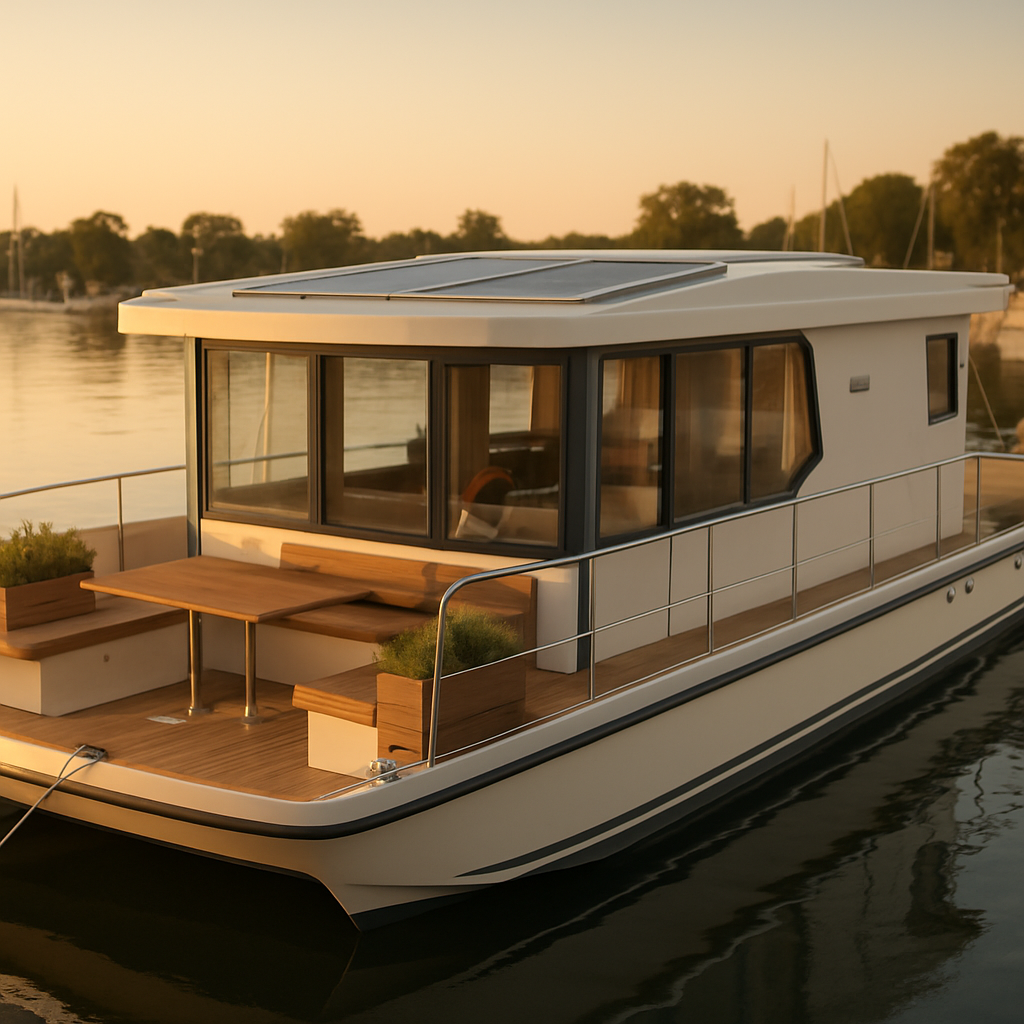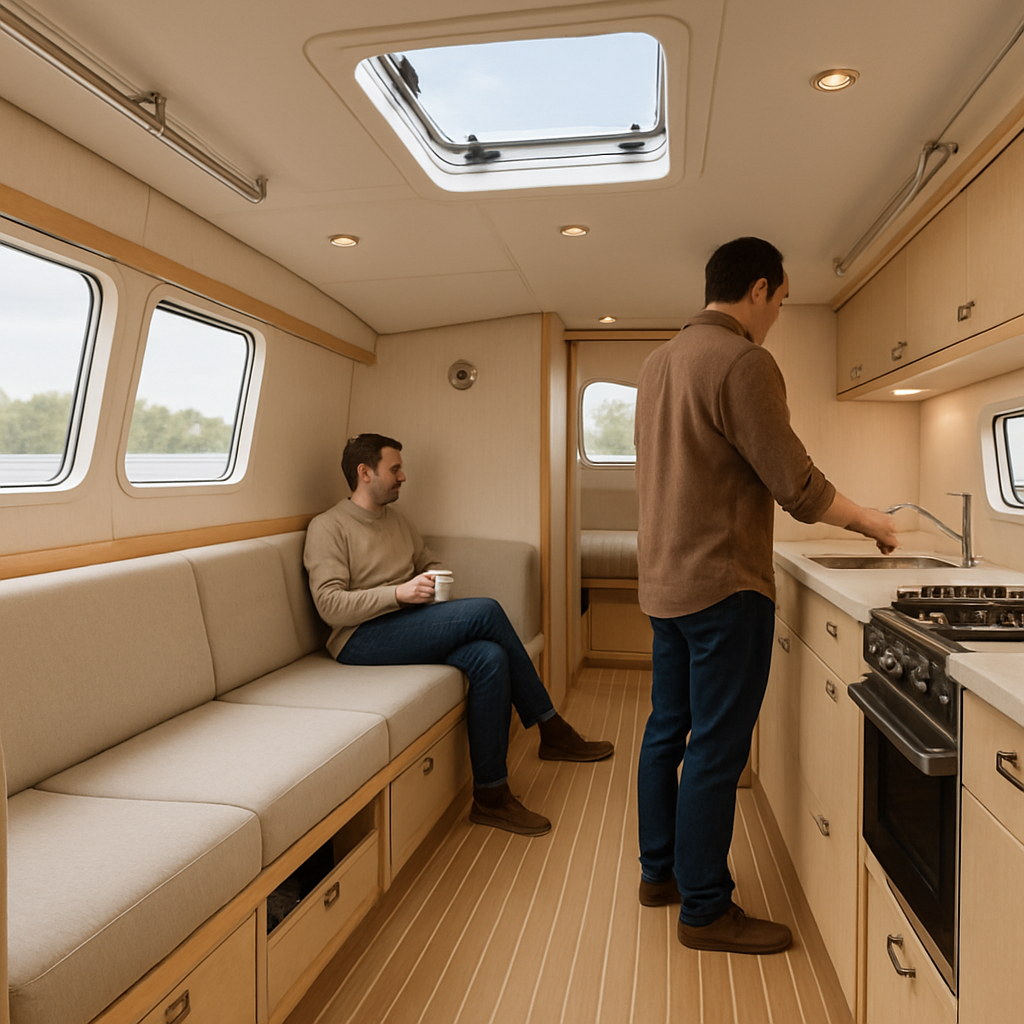
Discover Comfort and Savings with Low Emissivity Glass: How to Make Your Houseboat Cozier, Cheaper to Run, and Ready for Life on the Water
Attention: Du want a houseboat that feels like home—warm in winter, cool in summer, and kind to your power budget. Interest: Low Emissivity Glass (Low-E) is one of the smartest upgrades to get Du there. Desire: Imagine fewer cold drafts by the windows, less fading of your teak and upholstery, and less time running a generator. Action: Read on—this practical, hands-on guide walks Du through why Low Emissivity Glass matters, how to choose it, how to install it if Du’re a DIYer, and how to keep it performing for years.
Low Emissivity Glass: A Practical Guide for Homeboatbuilding.com Readers
Low Emissivity Glass—often shortened to Low-E—is a glazing technology that reduces the amount of infrared and ultraviolet light that passes through glass without significantly reducing visible light. On a houseboat, that simple trait translates to real-world benefits: lower energy use, warmer window surfaces in cold weather, cooler interiors in strong sun, and much less UV fading. Whether Du’re renovating a cabin cruiser or designing a new floating home from scratch, understanding Low Emissivity Glass will save Du money, hassle, and time spent battling condensation and degraded finishes.
As Du plan glazing upgrades and interior improvements, think holistically about the materials Du choose. For example, lighter, more stable flooring systems and structurally appropriate paneling complement advanced glazing choices by reducing interior thermal loads and moisture problems. Explore options like Bamboo Flooring Options for a durable, eco-friendly deck surface, consider Marine Grade Plywood where structural panels are necessary, and review our comprehensive Materials for Houseboats guide to match materials to marine conditions and ensure long-term performance.
This guide is written for practical boatbuilders and DIY-minded liveaboards. It avoids jargon overload while giving Du the technical points Du need to choose the right product, install it safely, and maintain it in a marine environment where salt, humidity, and movement complicate things.
Why Low Emissivity Glass Matters for Houseboats: Energy Efficiency on the Water
Houseboats live in a special environment. Du don’t have deep thermal mass like a house, and windows often make up a larger proportion of your external surface area. That means glazing choices matter more. Low Emissivity Glass helps in two main ways:
- It reflects long-wave infrared (heat) back toward its source. In winter, that means interior heat is reflected back into the cabin rather than lost through the glass.
- It reduces solar infrared entering the cabin in summer, cutting cooling loads and glare while still letting natural light in.
For houseboat owners, the benefits are practical: reduced generator or shore-power demand, improved comfort with less temperature zoning, and protection for wood, fabrics, and instruments from UV damage. Condensation is also less likely because the interior surface of the glass stays warmer—an important consideration when moisture and wood rot are constant threats on the water.
Energy savings can be significant. On small, energy-limited systems—think batteries, inverters, and small generators—even modest reductions in heating or cooling demand can extend cruising range or reduce fuel costs. And don’t forget resale: well-done insulation and Low-E glazing are assets buyers notice.
Choosing LE Glass for Your Houseboat: Factors from Design to Durability
Choosing the right Low Emissivity Glass involves balancing thermal performance, durability, weight, safety, and budget. Below are the key factors to consider, phrased in straight talk so Du can make confident choices.
Type of Low-E coating: hard-coat vs soft-coat
There are two common Low-E technologies and they behave differently:
- Hard-coat (pyrolytic): Applied during manufacture, it bonds strongly to the glass surface and withstands exposure. It’s a good option for single-pane windows or where the coating might be exposed to wear.
- Soft-coat (sputtered): Higher performance—better insulation and lower emissivity—but fragile until sealed inside an insulated glass unit (IGU). If Du use soft-coat, it should be inside double or triple glazing.
Insulated Glass Units (IGUs) vs single-pane
IGUs (double or triple glazed) are usually the better choice for houseboats. They provide a thermal break, greater condensation resistance, and can house soft-coat Low-E safely. For most liveaboards, a double-glazed IGU with argon fill and a warm-edge spacer strikes a smart balance between performance and weight.
Key performance metrics: emissivity, U-value, SHGC
- Emissivity: Lower is better—values like 0.03–0.1 mean excellent reflective properties.
- U-value: Lower U means better insulation. Aim for the lowest practical U-value given your weight and budget constraints.
- SHGC (Solar Heat Gain Coefficient): Low SHGC reduces heat from the sun—great in hot climates. In cooler areas Du may want a slightly higher SHGC to capture passive solar gains.
Safety glass, impact resistance, and sound control
Boating environments are unpredictable. Where windows face walkways, docks, or frequent movement, specify tempered or laminated glass. Laminated glass stays in place when cracked and reduces noise—handy if Du’re moored in a busy marina.
Marine-grade construction and edge durability
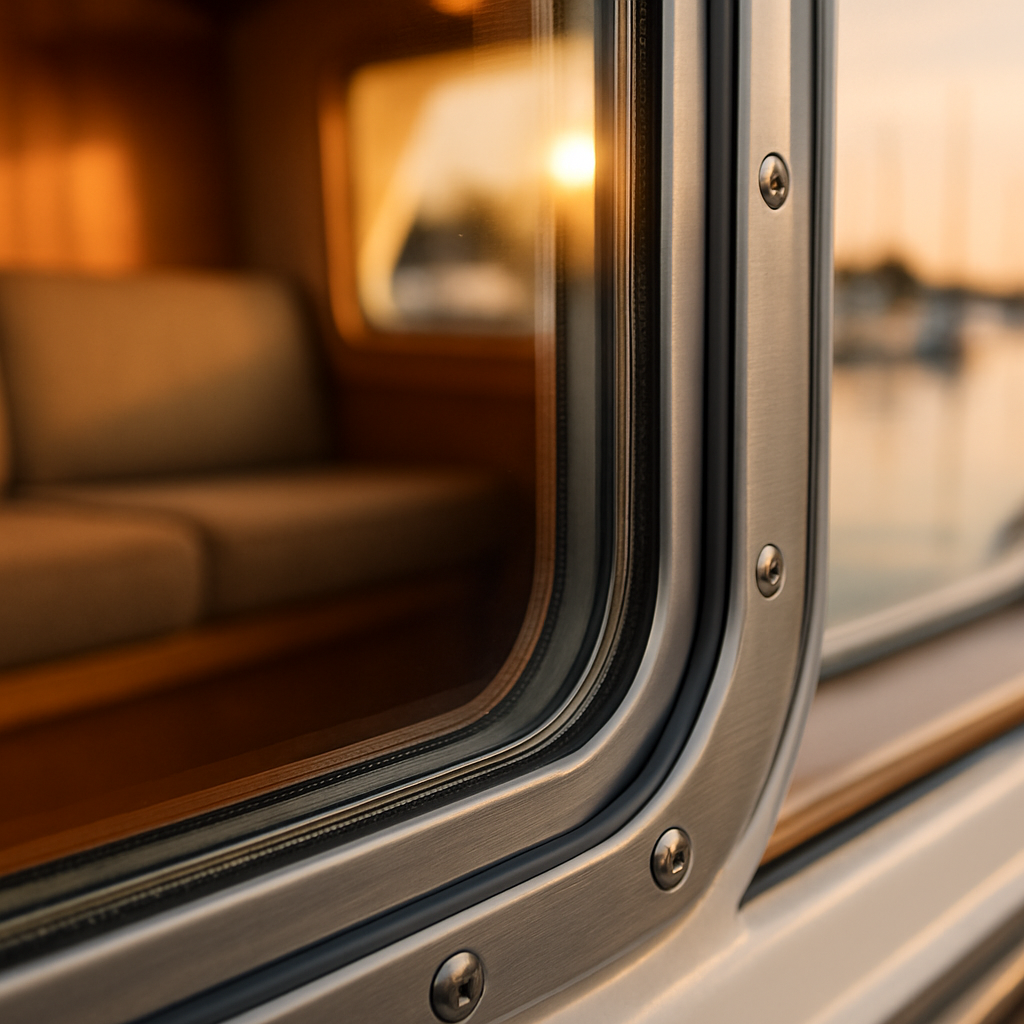
Saltwater, humidity, and temperature swings are tough on seals and spacers. Opt for IGUs with stainless steel or warm-edge spacers and desiccant systems. Avoid exposed soft-coat glass edges. Use frames with thermal breaks to prevent condensation and corrosion; aluminum frames without a thermal break can sabotage your best glass choices.
Weight, frames, and structural impact
Glass weight matters for stability and framing. Triple glazing and thicker units add weight high up, which can affect your trim. Coordinate glass thickness with your vessel’s structural plan and choose frames and fasteners rated for marine use.
Visual considerations: tint, reflections, and daylight
Some Low-E products have slight tinting. Tinted glass helps with glare and reduces heat but also dims natural light. Think about window orientation and how Du use each space. Large windows on a southeast or southwest exposure often benefit most from lower SHGC and subtle tinting.
LE Glass Installation Tips for DIY Builders: A Step-by-Step Guide
If Du like building things yourself, installing Low Emissivity Glass is manageable—but it requires planning and respect for marine-specific details. Below is a practical step-by-step approach tailored to IGU installations and retrofits that DIY builders commonly tackle.
Before you start
- Check local regulations and marina rules—some areas have specific safety glazing requirements.
- Measure accurately and order glass with proper tolerances. Remember thermal movement allowances.
- Choose marine-grade sealants (polyurethane, polysulfide, or silicone systems specified for glazing) and stainless hardware.
- Plan for safe handling—IGUs can be heavy; use suction cups and have at least one helper.
Step 1: Remove old glazing and inspect the frame
Carefully remove the old glass and clean the rabbet. Look for wood rot, corrosion, or frame damage—repair these before putting in new glass. If the frame is compromised, the new IGU won’t last.
Step 2: Apply a continuous primary seal
Lay down a continuous bead of marine-grade structural sealant where the IGU will sit. This bead cushions the glass and provides the primary weather seal. Don’t skimp—gaps here are trouble later.
Step 3: Set the IGU
With help, place the IGU onto the sealant bed. Press gently to ensure contact. Insert non-compressible packers to support the weight and keep the unit level. Check the reveal is even on all sides.
Step 4: Secure glazing beads and fasteners
Reinstall glazing beads, using stainless fasteners. Avoid overtightening—squeezing the frame can crack glass or distort seals. Where screws sit near the glass, use neoprene or insulating washers to prevent galvanic corrosion.
Step 5: Backer rod and secondary seal
Insert a closed-cell backer rod if required, then run a continuous secondary bead of compatible sealant over the perimeter. Tool the bead for a neat finish and good contact. This secondary seal protects the primary seal and provides UV resistance.
Step 6: Edge trim, flashings, and water management
Install drip flashings and edge trim to direct water away from the glass/frame interface. On houseboats, clever flashing prevents moisture from entering structural cavities—this step is as important as the glass itself.
Step 7: Cure and test
Allow sealants to cure as per manufacturer instructions. Run a gentle water test—spray the exterior and check inside for leaks. Fix any issues immediately; waiting will only let water do more damage.
Special notes for soft-coat Low-E and IGUs
Soft-coat Low-E must be sealed inside an IGU to avoid abrasion and oxidation. If Du’re retrofitting old, shallow frames, Du may need to replace or modify the frame to accept the thicker IGU. Also, choose desiccant spacers (warm-edge) to resist fogging in a marine environment.
Maintaining Low Emissivity Glass on a Houseboat: Cleaning, Sealing, and Longevity
Installed the glass? Great. Now keep it performing. Maintenance on a houseboat is never “set it and forget it.” The steps below will help your Low Emissivity Glass last and continue saving Du energy.
Regular cleaning—what to use and what to avoid
Use mild soap and fresh water or marine glass cleaners. Rinse salt off regularly—salt crystal deposits can etch glass over time if left. Avoid abrasive pads and harsh chemicals like strong acids or household ammonia (some coatings dislike ammonia). Wipe gently with a soft cloth, then rinse.
Inspect seals and hardware twice a year
- Look for cracks or hardening in the perimeter sealant.
- Check for moisture between IGU panes (fogging indicates seal failure).
- Scan for corrosion on fasteners and frame components.
- Ensure drainage channels and weeps are clear on operable windows.
Tighten or replace corroded fasteners and reseal small gaps promptly. Small issues turn into expensive repairs fast on the water.
Dealing with fogging and failed seals
If an IGU fogs up, the desiccant and seal have failed. Fixes are limited: replacing the IGU is usually the best long-term solution. For certain laminated or specialty units, a glazing specialist may offer repair options, but replacement tends to be the most reliable outcome.
Protect coatings and edges
Don’t scrape off stickers with a razor blade or use metal scrapers near coated surfaces. For hard-coat products the coatings are robust, but soft-coat surfaces need the protection of intact IGUs. Consider edge guards or small trim pieces to reduce wear at vulnerable corners.
When to plan for replacement
Well-made IGUs can last 15–25 years in ideal conditions. In marine environments expect more wear—plan for possible replacement in 10–15 years depending on exposure and maintenance. Replace earlier if Du see persistent fogging, seal failures, or pronounced scratches that affect optical clarity.
Practical Considerations, Costs, and Final Tips
Price varies a lot. Single-pane hard-coat Low-E is cheaper; soft-coat IGUs with argon and warm-edge spacers cost more up front but often pay back through energy savings and less fading of interiors. Here are practical tips to balance cost, performance, and weight:
- Use high-performance Low-E IGUs on the largest or sun-facing elevations where they’ll do the most work.
- Consider hard-coat or safety glass for smaller, less exposed openings to save cost and weight.
- Pair Low-E with external shading—awnings, shades, or overhangs dramatically improve seasonal performance and reduce glare.
- If Du run HVAC off batteries or a small generator, every bit of improved glazing reduces runtime and saves fuel.
- Work with marine glazing suppliers—many offer IGUs designed specifically for saltwater exposure and movement.
Quick Installation Checklist
- Accurate measurements and confirmed glass order
- Marine-grade sealants and stainless fasteners
- Warm-edge spacers and desiccant-filled IGUs (preferably argon filled)
- Thermal-broken frames or insulated surrounds
- Proper handling gear: suction cups, two-person lifts
- Continuous primary seal and finished UV-resistant secondary seal
- Drip flashing and water management details
- Post-install water test and sealant cure time observed
FAQ
Q: Can I retrofit Low Emissivity Glass into my existing frames?
A: Often yes, but check the depth and condition of your frames. Soft-coat Low-E works best inside sealed IGUs which are thicker. If frames are shallow or damaged, Du may need to modify or replace them.
Q: Will Low Emissivity Glass stop condensation entirely?
A: No product is a magic bullet. Low-E reduces condensation by keeping interior glass surface temperatures higher, but high interior humidity will still condense on cold surfaces. Combine Low-E with ventilation, dehumidification, and good insulation for best results.
Q: Is Low Emissivity Glass durable in saltwater environments?
A: Yes—if Du choose marine-rated IGUs, warm-edge spacers, stainless hardware, and proper flashings. Avoid exposed soft-coat edges and keep a regular maintenance schedule to prevent corrosion and seal failure.
Frequently Asked Questions: What People Search for and What Matters to Homeboatbuilding.com
Q: What exactly is Low Emissivity Glass and how does it work?
A: Low Emissivity Glass is glass treated with a microscopically thin coating that reflects infrared radiation while allowing visible light to pass. In practice, that means Du get better control over heat flow through windows—interior heat reflects back into the cabin in winter and exterior solar heat is reduced in summer. The result is more stable cabin temperatures and lower energy demand.
Q: Is Low Emissivity Glass worth the cost for a houseboat?
A: For many liveaboards, yes. If Du rely on batteries, a small generator, or limited shore power, the energy savings can be meaningful. Low-E reduces HVAC runtime and protects interiors from UV fading, which saves on upholstery and finish replacement over time. Consider payback in terms of reduced generator hours, lower fuel or shore-power use, and extended life of cabin finishes.
Q: Which is better for a houseboat—hard-coat or soft-coat Low-E?
A: It depends on application. Hard-coat is tougher and fine for single-pane or exposed uses. Soft-coat delivers better thermal performance but must be sealed inside IGUs. On a houseboat, soft-coat IGUs are often the best choice for main living windows, while hard-coat or safety glass can be used for small hatches or exposed areas.
Q: Can Du install Low Emissivity Glass yourself, or should Du hire a pro?
A: Du can handle many retrofit and replacement jobs if Du have DIY experience, help for safe handling, and knowledge of marine sealants and flashing. However, large panes, complex framing, or safety glazing requirements may be better handled by a marine glazier to ensure longevity and warranty compliance.
Q: How much energy will Low Emissivity Glass actually save on a houseboat?
A: Savings vary with climate, window area, and system type. For small, energy-scarce systems, even reducing heating or cooling loads by 10–20% can be noticeable. Typical improvements in U-value and SHGC from standard to Low-E IGUs translate into measurable reductions in generator or HVAC runtime—especially on boats with large glass areas.
Q: Does Low Emissivity Glass prevent UV fading completely?
A: Low-E greatly reduces UV transmission but doesn’t block 100% of UV. It significantly slows fading of fabrics, wood, and finishes, but for full protection combine Low-E with UV-resistant finishes, blinds, or exterior shades.
Q: What maintenance does Low Emissivity Glass need on a boat?
A: Regular freshwater rinsing, mild soap cleaning, and twice-yearly inspection of seals and hardware is essential. Watch for fogging inside IGUs, cracked perimeter sealant, or corroded fasteners. Promptly reseal or replace failed components to avoid structural damage.
Q: How long do Low-E IGUs last in marine environments?
A: Well-manufactured IGUs can last 15–25 years in sheltered conditions. In salt-heavy, high-moisture environments, expect more frequent attention—plan on 10–15 years depending on maintenance and exposure.
Q: Are there regulatory or safety requirements Du should know about?
A: Many marinas and local authorities enforce safety glazing standards for certain areas (e.g., doors, low windows). Du should check local codes before buying glass. Where impact risk exists, specify tempered or laminated safety glass to meet regulations and protect occupants.
Q: Where should Du buy Low Emissivity Glass for a houseboat?
A: Look for marine glazing specialists or suppliers who provide IGUs built for saltwater exposure, warm-edge spacers, and appropriate sealants. Local marine fabricators can also retrofit and install; online suppliers offer custom IGUs but ensure shipping and handling practices protect the units from damage.
Final thoughts
Low Emissivity Glass is a pragmatic upgrade for any houseboat owner who wants better comfort, lower energy bills, and longer-lasting interiors. It’s not just a “nice-to-have”; in many liveaboard scenarios, it makes a measurable difference to generator runtime, indoor humidity control, and occupant comfort. If Du’re hands-on, Du can handle many retrofit and installation tasks yourself—just be meticulous about marine-grade materials, proper flashing, and sealant practices.
Got a question about a specific window size, frame material, or your boat’s orientation? Drop it into the comments on homeboatbuilding.com or reach out to a local marine glazier. There’s nothing fancy about upgrading glazing—the trick is in the details: correct selection, careful installation, and disciplined maintenance. Do that, and your Low Emissivity Glass will keep your floating home comfortable, efficient, and looking good for years to come.