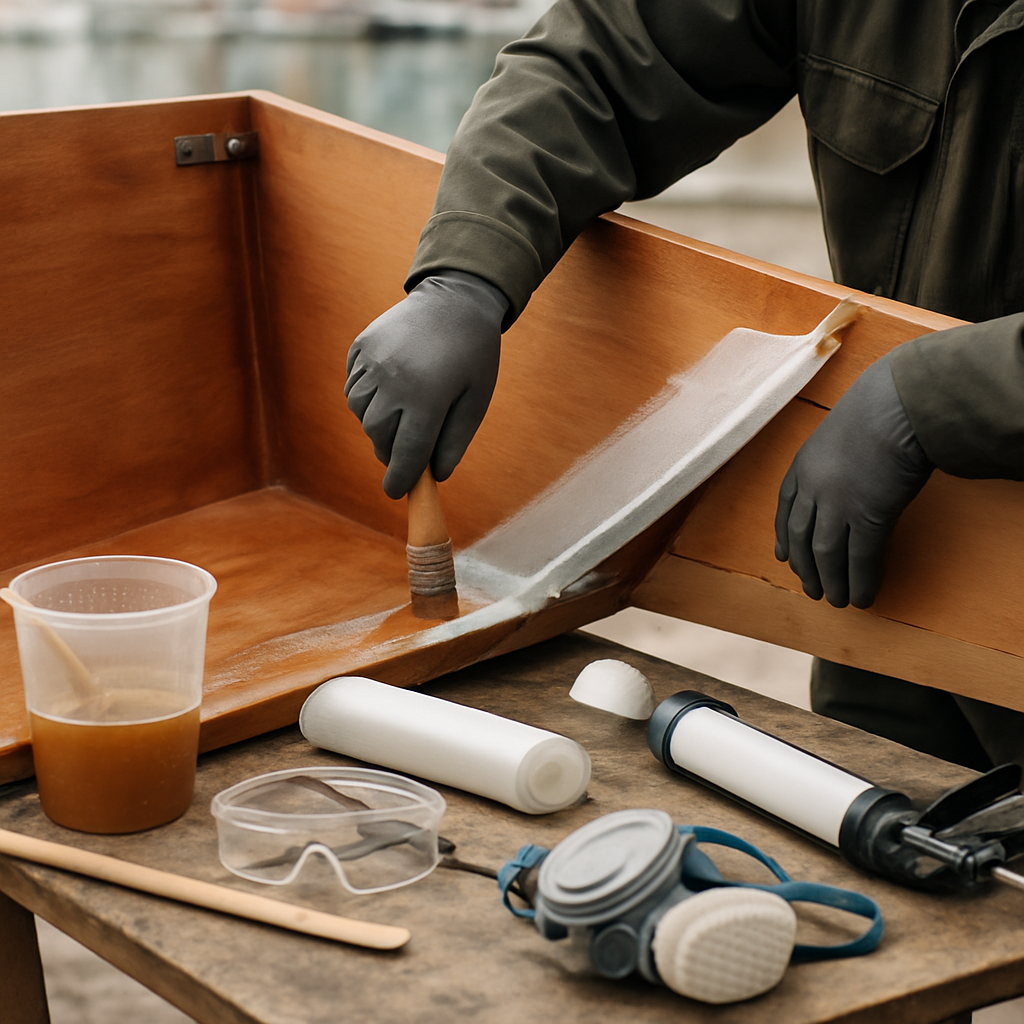
Want a Watertight Houseboat? Discover Hull Sealing Techniques That Protect Your Home on the Water
Attention: You’re building or restoring a houseboat and the last thing you want is a slow leak that ruins a weekend—or worse, your whole project. Interest: Good news—proper Hull Sealing Techniques stop moisture at the source, prevent rot and corrosion, and keep your floatation reliable for years. Desire: Imagine launching with confidence, knowing your hull is sealed with systems that match your material and lifestyle. Action: Read on for practical, no-nonsense advice you can use today—materials, step-by-step methods, common mistakes to avoid, and maintenance tips that actually work.
Hull Sealing Techniques: Essential Waterproofing Tips from homeboatbuilding.com
Hull sealing isn’t glamourous, but it’s everything. Whether your hull is plywood, fiberglass, aluminum, steel, or even concrete, the objective is the same: create barriers and flexible joints that keep water out while allowing the boat to move and live its life. The most effective Hull Sealing Techniques combine good surface prep, the right materials in the right places, and a maintenance plan. I’ll walk you through the choices and the how-to so you can seal smart, not just hard.
When planning hull sealing, think beyond the coat—integrate the work with the entire build so seams, insulation, and structure all play well together. A good starting point is our Houseboat Construction Techniques overview, which helps you see how sealing choices affect layout, weight, and service routes. If you’re choosing insulation that sits under epoxy or inside bulkheads, consult the Insulation Installation Methods page to avoid moisture traps. And remember: proper Structural Frame Assembly keeps joints honest and sealants performing longer, so coordinate the skeleton and skin early on.
Selecting the Right Hull Sealing Technique for Your DIY Houseboat
Picking the wrong product is a fast way to regret. So let’s start with matching technique to hull material. What works for plywood will often fail on aluminum—and vice versa. Below I’ve broken down common hull materials, practical sealing approaches, and quick tips so you don’t waste money or time.
Plywood and Marine Plywood
For wood hulls, encapsulation is king. That means saturating seams with marine epoxy, reinforcing joints with fiberglass cloth, and topping with UV-resistant paint or varnish. Epoxy blocks moisture from entering wood fibers. Don’t skimp on fillets at stringers and transoms—those are where stress and water meet and cause failures.
Fiberglass
Fiberglass enjoys durability, but it gets old, blisters, and delaminates. Use epoxy barrier coats if you’re concerned about osmosis or water penetration. For repairs, epoxy layups with proper cloth (biaxial or unidirectional where strength is needed) work well. Gelcoat repairs are cosmetic and useful, but structural sealing relies on epoxy systems.
Aluminum
Aluminum is light and strong, but oxide layers and thermal movement mean you need primers and flexible sealants. Clean and etch aluminum before coating. Use a specific aluminum primer, then polyurethane or polysulfide for seams and flexible joints. Avoid trying to seal with products that don’t tolerate metal expansion and contraction.
Steel
Steel wants protection from corrosion. Ensure welds are ground and treated, apply zinc-rich or epoxy primers, then epoxy barrier coats. Use polyurethane topcoats for UV protection. Replace any pitted or compromised steel sections—no amount of sealant will fix structural rust.
Concrete
Yes, concrete hulls exist and they need different tactics. Use crystalline waterproofing for the mass concrete and epoxy coatings where you want absolute barriers. Seal cracks with epoxy injections or flexible masonry sealants designed for submerged conditions. Bonding primers ensure coatings stick to masonry.
How to Choose: Quick Decision Guide
- Is your priority structural strength or flexibility? Use epoxy for structure, polyurethane/polysulfide for flexible joints.
- Are you exposed to strong UV or high abrasion? Plan for a UV-stable topcoat.
- How often will you maintain the boat? If infrequent, invest in longer-lasting barrier systems now.
Epoxy vs Polyurethane: Hull Sealing Techniques Explained
This is one of the most common crossroads builders face. Both materials are staples in Hull Sealing Techniques, but they’re not interchangeable. Let’s break down what each does best so you can combine them like a pro.
What Epoxy Brings to the Table
Epoxy is your structural champion. It bonds like glue to wood and fiberglass, creates a low-permeability barrier, and is the basis of layups that restore strength. If you want to encapsulate plywood, epoxy is non-negotiable. It’s also excellent for bedding hardware and replacing rotten cores after repair.
Downsides? Epoxy resins are poor with direct UV—left exposed they chalk and break down, so a UV-stable topcoat is required. They can also become brittle if cured too quickly or under cold conditions, so watch your application temperature.
What Polyurethane Does Better
Polyurethane is flexible, UV-resistant, and great for seams and topside finishes. Use polyurethane or polysulfide sealants where movement occurs—deck-to-hull seams, through-hull fittings that see flex, and anywhere vibration or thermal changes stress the seal.
The trade-off is strength: polyurethanes don’t provide the same structural reinforcement as epoxies. They’re also sensitive to poor surface prep—clean, dry, and primed surfaces matter.
Combine for a Winning System
The smart approach often uses both: epoxy for encapsulation and structural work, polyurethane for flexible joints and topside UV protection. Think of epoxy as the fortress wall and polyurethane as the flexible gate seal.
Step-by-Step Hull Sealing Techniques for Long-Lasting Floatation
Ready for hands-on? Here’s a general, adaptable step-by-step workflow for most DIY houseboat sealing jobs. Follow product instructions closely—every system has specifics—but this gives you the roadmap.
1. Inspect and Plan
Start with a thorough inspection. Walk the hull inside and out, look for soft spots, rust, delamination, loose fasteners, and blisters. Take photos and notes. Measure areas to estimate material quantities. A little planning avoids mid-project surprises.
2. Gather Tools and Materials
Don’t improvise here. At minimum you’ll need marine-grade epoxy, appropriate fiberglass cloth, polyurethane or polysulfide sealant, sanders, grinders, solvent (acetone), mixing tools, brushes and rollers, respirators, gloves, and protective gear. Have spare fasteners, gaskets and a small fairing compound on hand.
3. Prepare Surfaces—The Make-or-Break Step
This is the single most important part. Remove loose paint, corrosion, and oils. Sand glossy gelcoat to a dull profile. For aluminum, remove oxide and degrease; for steel, remove rust and apply a primer where required. The cleanest surface gives the best bond.
4. Repair Structural Problems First
Replace rotten wood, re-weld or grind and re-weld questionable steel, and perform epoxy layups for delaminated fiberglass. Replace fasteners that show corrosion. If you leave structural issues as you seal, the sealer will just hide failure until later.
5. Fillets and Reinforcement
Create epoxy fillets inside corners where bulkheads, stringers and the hull meet. Lay fiberglass tape or cloth over seams while wet with epoxy—this distributes loads and prevents stress cracks. Use peel ply over layups to get a textured surface ready for the next coat.
6. Barrier Coats and Encapsulation
Apply epoxy barrier coats per the manufacturer’s recommended wet film thickness. Multiple thin coats bond better than one thick blob. Allow proper cure times and watch for recommended recoat windows—some systems require sanding between coats.
7. Seal Penetrations and Joints
Use polyurethane or polysulfide sealants around through-hulls and deck fittings. For critical penetrations, coat the area with epoxy first, then seal with a flexible sealant, and finally secure the fitting mechanically. Backing plates and gaskets extend life here.
8. Fair, Sand, and Topcoat
Fair seams with a light epoxy fairing compound, sand, and then apply a UV-stable topcoat—typically a marine polyurethane paint or varnish for wood. Topcoats protect epoxy from sunlight and abrasion.
9. Cure and Test Before Launch
Don’t rush a launch. Many epoxy systems reach handling strength in 24–48 hours but take a week or more for full cure. When cured, perform a hose test or a shallow float to check for leaks. Address any dampness immediately.
Common Hull Sealing Mistakes and How homeboatbuilding.com Recommends Avoiding Them
Everyone makes mistakes—especially the first time. Here are the top traps DIYers fall into and how to sidestep them so you don’t end up with a pricey redo.
Poor Surface Preparation
Problem: Coating over contaminants or glossy surfaces. Result: Poor adhesion and peeling. Fix: Sand to the recommended profile and degrease thoroughly. Don’t skip the solvent wipe and let surfaces dry.
Wrong Mix Ratios and Pot Life Mishandling
Problem: Multi-part epoxies mixed incorrectly or left too long in the pot. Result: Soft cures, tacky finishes, wasted material. Fix: Use precise measuring tools and mix small batches within pot life, especially on warm days when cures speed up.
Too-Thick Coats
Problem: Applying too much in one go to “save time.” Result: Poor heat dissipation, incomplete curing, crazing. Fix: Apply several thin coats, following the recommended film thickness.
Using Wrong Product in Wrong Place
Problem: Using topside paint inside the bilge or a flexible sealant as a structural solution. Fix: Read technical data sheets. Use epoxies for structure, polysulfides for moving joints, and antifouling paints where submerged hull protection is needed.
Sealing Over Bad Fasteners or Fittings
Problem: Hiding loose or corroded fasteners under sealant. Fix: Inspect and replace suspect hardware. Properly bed fittings and use backing plates to distribute loads.
Ignoring Environmental Conditions
Problem: Working in temperatures outside the product’s cure range or in high humidity. Fix: Plan projects for favorable conditions or use controlled environments (enclosures, heaters, dehumidifiers).
Maintenance-Driven Hull Sealing Techniques: Pro Tips for Houseboats
Sealing is as much about ongoing care as it is about the initial application. A small maintenance habit will save you headaches, money, and time on the water.
Inspect Regularly
Do a full hull inspection twice a year and after any grounding or unusual impact. Look for new cracks, movement around fittings, soft spots, blisters, and flaking topcoat. If the bilge is wet, find out why—many leaks show up there first.
Keep a Patch Kit
Your kit should include a small amount of the epoxy you used, mixing cups, a roll of relevant fiberglass tape, a tube of the same sealant used on your hull, sandpaper, and spare gaskets. For small leaks you can dry the area, sand, and reapply—fast!
Seasonal Tasks
Winterize: drain water lines and fittings to prevent freeze damage. Summer: check topside UV degradation and touch up coatings where needed. Replace sacrificial anodes yearly or whenever 50% eaten—don’t wait until they’re gone.
When to Re-Encapsulate
For wood hulls, expect to consider a re-encapsulation or major review every 10–20 years, depending on exposure and quality of the original system. Keep notes on products used and dates—this makes future decisions easier.
Practical Checklists and Quick Reference
Use these checklists as templates for planning, application day, and annual maintenance.
- Pre-Project Checklist: Inspect hull, list repairs, order marine-grade materials, confirm weather window, gather PPE and tools, and prepare a clean workspace.
- Application Day Checklist: Clean surfaces, measure and mix accurately, work in small pools respecting pot life, keep ventilation, document coats and cure times.
- Launch Prep: Final inspection, torque fittings, remove excess sealant, test bilge and through-hulls, log all work and materials used.
- Annual Maintenance: Inspect seams and fasteners, touch up topcoat, check anodes, verify bilge dryness, and patch small issues immediately.
FAQ — Frequently Asked Questions About Hull Sealing Techniques
Q: What are the best Hull Sealing Techniques for a plywood houseboat?
A: Du should prioritize encapsulation for plywood—saturate seams and surfaces with a marine-grade epoxy, reinforce joints with fiberglass cloth, and use epoxy fillets at stringers and transoms. After structural work, apply a UV-stable topcoat or varnish to protect the epoxy from sunlight. Keep ventilation and control moisture inside the cabin during cure to avoid trapped humidity.
Q: Epoxy or polyurethane—which is better for sealing a hull?
A: Both have roles. Du should use epoxy where structural strength and moisture barrier are required—wood encapsulation, layups, and bedding hardware. Use polyurethane or polysulfide where flexibility and UV resistance are needed—deck seams, through-hulls, and topside finishes. The best systems combine epoxy for the core and polyurethane for the joints and topcoat.
Q: How long must epoxy cure before I can launch?
A: Cure times vary by product and temperature. Many marine epoxies reach handling strength in 24–48 hours at moderate temperatures, but full structural cure often takes 7 days or more. If it’s cool or humid, expect longer. Du should always follow the manufacturer’s technical datasheet and err on the side of patience—launching too early risks soft or incomplete cures.
Q: Can I do hull sealing as a DIY project, or should I hire a pro?
A: You can definitely DIY many Hull Sealing Techniques if you plan carefully and respect product requirements. Du must be comfortable with surface prep, accurate mixing, working within pot life, and safety precautions. If the job involves major welding, structural steel repair, or complex composite lamination in critical areas, hire a pro for those parts and do the rest yourself to save money and time.
Q: What’s the quickest way to stop a small leak?
A: For a temporary fix, dry the area, sand to clean wood or fiberglass, and use a compatible marine epoxy paste or sealant to patch. For a more permanent repair, do a proper local epoxy layup or replace the damaged section, then encapsulate. Du should avoid just slapping caulk on a leak—it can buy time but not solve root causes.
Q: How often do I need to recoat or reseal hull seams?
A: There’s no single answer; it depends on product, exposure, and usage. Expect topside paints to need recoating every 3–7 years. Flexible seam sealants may last 5–10 years, but inspect them yearly. For wooden hulls, plan for a major inspection and potential re-encapsulation every 10–20 years depending on care and environment. Du should keep a maintenance log to track dates and materials used.
Q: How should I seal through-hull fittings to prevent leaks?
A: Coat the area with epoxy for a solid backing, then use a marine-grade flexible sealant (polyurethane or polysulfide) between the fitting and hull. Mechanically secure with stainless fasteners and a backing plate; torque to recommended specs. Du should never rely on sealant alone—structure plus flexible bedding is the right combo.
Q: How do I prevent osmosis and blistering on fiberglass hulls?
A: Treat blisters promptly. Strip back to sound laminate, allow the hull to dry, and use an epoxy barrier coat to seal the hull from within. For severe osmosis, professional drying and specialized barrier systems may be required. Regular maintenance and keeping antifouling paints in good condition helps limit water absorption that can lead to blisters.
Q: What safety gear and precautions should I use when sealing a hull?
A: Du must use respirators rated for organic vapors, nitrile gloves, eye protection, and appropriate skin coverage. Ensure good ventilation, control sources of ignition, and follow disposal rules for solvents and leftover resin. Read product SDS sheets and never mix in enclosed spaces without airflow—your health matters more than a weekend saved.
Q: How much should I budget for hull sealing materials on a small houseboat?
A: Costs vary by size and products, but budget for marine-grade epoxy resins, fiberglass cloth, fairing compound, primers, sealants, and topcoats. For a small plywood houseboat, expect materials alone to run from a few hundred to a few thousand dollars depending on quality and coverage; labor adds more. Get quotes for materials, add 10–20% extra for waste and mistakes, and Du won’t be surprised by the final bill.
Q: Is caulk alone enough for underwater seams?
A: No—caulk (silicone or general-purpose) can seal small gaps temporarily, but it’s not a substitute for structural encapsulation or proper barrier coatings. Use marine-grade polysulfide or polyurethane for flexible joints, and epoxy for structural and barrier work. Du should treat caulk as a temporary band-aid, not a permanent plan.
Final Thoughts
Hull Sealing Techniques are about strategy, not just slapping on sealant. Choose materials that match the hull substrate and stress profiles, prep surfaces painstakingly, and adopt a maintenance mindset. Combine epoxy’s structural barrier with polyurethane’s flexible, UV-friendly sealing where it makes sense. Do the work right and you’ll enjoy years of reliable floatation and fewer emergency repairs.
If you’re tackling a specific project and want product suggestions or a tailored checklist (plywood houseboat, aluminum pontoon, or steel conversion), note the hull material, typical conditions, and how often you’ll maintain it. With the right plan, sealing becomes a manageable, even satisfying part of building your dream houseboat. Du can do this—just take it one thorough step at a time.